Y Strainers
Professional Y Strainers Manufacturer for Durable Industrial Filtration Systems
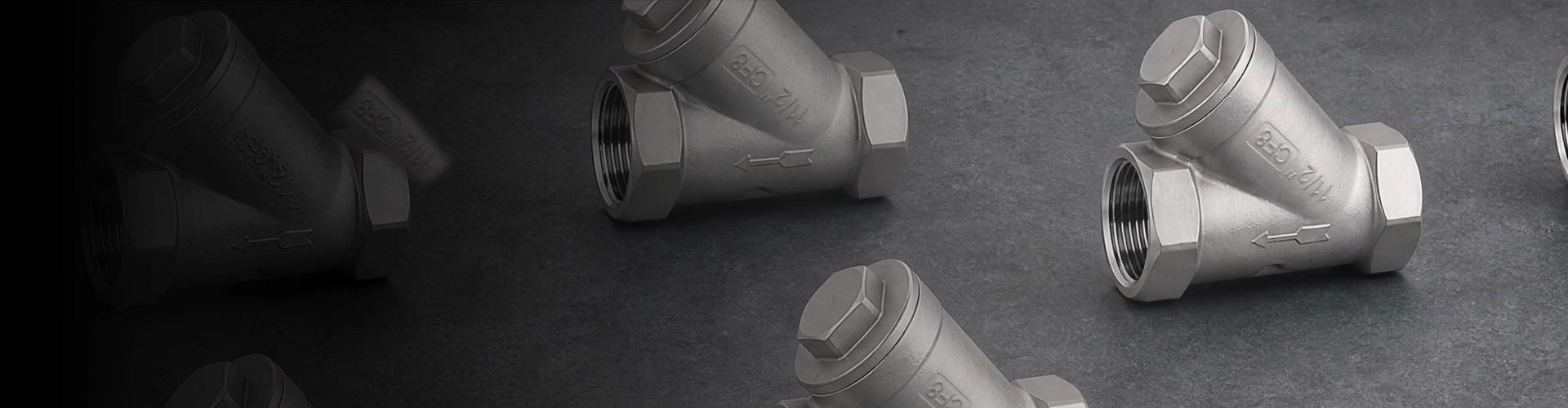
Shangtai Y Strainers are designed to remove solid particles and debris from pipeline media before they reach pumps, control valves, meters, heat exchangers, and other downstream equipment. The Y-shaped body provides a compact filtration arrangement with a removable screen, making these strainers suitable for pipeline systems where equipment protection and convenient screen maintenance are required.
Y-type strainers can be used with water, oil, gas, steam, and other compatible industrial media, subject to the selected body, screen, and sealing materials. Available configurations can be specified according to pipeline size, pressure rating, flow direction, filtration requirements, connection standard, and installation conditions.
Industrial Pipeline Protection
Shangtai supplies Y-type pipeline strainers for equipment protection and solid-particle filtration. Provide your pipeline size, medium, pressure, temperature, connection type, and required filtration level for configuration and quotation support.
Shangtai supplies Y-type pipeline strainers for equipment protection and solid-particle filtration. Provide your pipeline size, medium, pressure, temperature, connection type, and required filtration level for configuration and quotation support.
How a Y Strainer Protects Downstream Equipment
The strainer screen intercepts solid particles carried by the pipeline medium while allowing the fluid to continue through the main flow passage. This helps reduce the risk of debris entering sensitive downstream components and can support more stable operation of pumps, control valves, meters, heat exchangers, and similar equipment.
Unlike a filter designed for fine or specialized separation, a pipeline strainer is generally used for mechanical removal of larger solid particles and installation-side debris. The appropriate screen opening should be selected according to the required level of protection and the allowable pressure drop of the system.
Y-Type Body and Removable Screen Design
The characteristic Y-shaped body houses the filtration screen at an angle to the main flow path. This configuration provides a compact arrangement for many industrial piping systems while allowing the screen to be removed for inspection and cleaning.
Depending on the design, a drain or blowdown connection can also be provided to assist with removing accumulated debris without completely dismantling the pipeline. The actual configuration should be confirmed according to the valve or strainer model, installation arrangement, and project requirements.
Screen Cleaning Is Part of Strainer Maintenance
As debris accumulates on the screen, flow resistance can increase. Regular inspection and cleaning help maintain the required flow capacity and keep pressure loss within the acceptable range for the system.
As debris accumulates on the screen, flow resistance can increase. Regular inspection and cleaning help maintain the required flow capacity and keep pressure loss within the acceptable range for the system.
Screen Mesh and Perforation Selection
The screen opening is one of the most important parameters when selecting a Y-type strainer. A smaller opening can provide finer particle retention, but it may also increase pressure drop and require more frequent cleaning when the pipeline contains a high level of debris.
Selection should consider the particle size that needs to be removed, medium viscosity, flow rate, allowable pressure loss, and the sensitivity of downstream equipment. Shangtai can review these parameters when confirming the appropriate screen configuration.
| Selection Factor | Why It Matters |
|---|---|
| Particle Size | Determines the required screen opening for debris removal |
| Flow Rate | Affects flow velocity and pressure loss through the screen |
| Medium Viscosity | Influences flow resistance and filtration performance |
| Downstream Equipment | Determines the required level of particle protection |
| Cleaning Frequency | Helps determine whether manual cleaning or a drain/blowdown arrangement is appropriate |
Pressure Drop and Flow Capacity
Any strainer introduces some pressure loss because the medium passes through a screen. Pressure drop can increase as particles accumulate on the filtration element. For this reason, Y strainer selection should consider the required flow rate, pipe size, screen area, screen opening, and allowable differential pressure.
Regular cleaning is important when the pipeline carries a significant amount of debris. Pressure gauges or differential pressure indicators can be used in suitable systems to help determine when the screen requires inspection or cleaning.
Installation Orientation and Flow Direction
Correct installation is important for effective particle collection and convenient maintenance. The flow arrow on the strainer body should match the actual pipeline flow direction. The screen chamber should also be positioned according to the specific model and medium so that collected debris can remain within the designated chamber.
Many Y-type designs can be installed in horizontal pipelines, while certain configurations can also be used in vertical pipelines when the flow direction and screen orientation are suitable. Installation requirements should be confirmed before fitting the strainer into the system.
For steam or other special services, the installation orientation may require additional consideration to manage condensate, drainage, and maintenance access. Always follow the applicable product documentation and project piping requirements.
Body and Screen Materials
Material selection should be based on the pipeline medium, pressure, temperature, and corrosion conditions. Common body materials include carbon steel, stainless steel, cast iron, ductile iron, and alloy steel. Stainless steel and other corrosion-resistant materials may be selected for the screen according to the service environment.
For corrosive or higher-temperature media, both the body and internal screen materials should be checked for compatibility. Sealing materials should also be selected according to the operating temperature and medium.
End Connections for Industrial Piping
Shangtai Y-type strainers can be configured with different end connection options according to the pipeline design and applicable standards. Common configurations include flanged, threaded, butt-weld, and socket-weld connections.
When selecting a connection, consider the pipeline standard, nominal size, pressure rating, installation method, available space, and maintenance requirements. Matching the strainer connection to the existing piping system helps simplify installation and future replacement.
Product Applications
Y strainers are commonly installed upstream of equipment that may be affected by solid particles or installation debris. Typical applications include:
- Oil and gas pipeline systems
- Petrochemical and chemical processing
- Water treatment and water supply systems
- Power generation and utility piping
- HVAC and chilled-water systems
- Marine and shipboard piping
- Industrial process pipelines
- Pump and control valve protection
- Heat exchanger and meter protection
The suitable strainer configuration depends on the medium, operating conditions, filtration requirements, and applicable piping standard. For special fluids or severe service, technical parameters should be reviewed before selection.
Manufacturing, Inspection and Quality Control
Shangtai controls key manufacturing and inspection requirements according to the applicable product specification. Material selection, body dimensions, screen configuration, connection dimensions, sealing components, and pressure-related requirements can be reviewed during production and quality inspection.
Shangtai operates under an ISO 9001 quality management system and provides products with applicable CE and EAC certification support. Where required by the project, relevant standards and inspection requirements such as API 6D and API 598 can be reviewed according to the specific product and order documentation.
Project Documentation and Inspection
For industrial projects, Shangtai can review required material specifications, pressure ratings, connection standards, inspection requirements, drawings, and applicable documentation before production and shipment.
For industrial projects, Shangtai can review required material specifications, pressure ratings, connection standards, inspection requirements, drawings, and applicable documentation before production and shipment.
How to Select the Right Y-Type Strainer
Before requesting a quotation, prepare the following information:
- Nominal pipe or strainer size
- Pressure rating
- Working medium
- Operating temperature
- Required screen mesh or perforation size
- Body and screen material
- End connection type
- Pipeline installation orientation
- Required flow rate
- Quantity and project requirements
- Drawings, specifications, or technical documents, if available
If the strainer is intended to protect a specific pump, control valve, meter, or heat exchanger, providing the equipment information and required filtration level can help determine a suitable configuration.
Frequently Asked Questions
What are the common types of pipeline strainers?
Common designs include Y-type, basket, T-type, duplex, and temporary cone strainers. A Y-type configuration is often considered when a compact inline arrangement and removable screen are required. The final choice depends on pipeline layout, flow capacity, maintenance access, and filtration requirements.
How do I choose the correct screen mesh or perforation size?
Selection depends on the particle size that needs to be removed, medium viscosity, flow rate, allowable pressure drop, and the sensitivity of downstream equipment. A finer screen is not always the appropriate choice because it can increase pressure loss and cleaning frequency.
Can a Y-type strainer be installed vertically?
Some configurations can be installed in vertical pipelines when the flow direction and screen orientation are suitable. The installation should follow the flow arrow, product instructions, and the requirements of the specific medium and pipeline arrangement.
How often should the strainer screen be cleaned?
Cleaning frequency depends on the amount and type of debris in the pipeline. A pressure gauge or differential pressure indicator can help identify increasing resistance and determine when screen inspection or cleaning is required.
Will Y strainers reduce pipeline pressure?
Yes. Any strainer creates some pressure drop as the medium passes through the screen. Correct sizing, suitable screen selection, adequate flow area, and regular cleaning can help keep pressure loss within the system's acceptable range.
What materials are available?
Common body materials include carbon steel, stainless steel, cast iron, ductile iron, and alloy steel. Screen materials are often stainless steel or other corrosion-resistant alloys. The appropriate material depends on the medium, pressure, temperature, and corrosion conditions.
What end connections can be supplied?
Common options include flanged, threaded, butt-weld, and socket-weld connections. The required connection should match the pipeline standard, nominal size, pressure rating, and installation requirements.
What information is needed for a quotation?
Please provide the size, pressure rating, strainer type, body material, screen mesh or perforation size, working medium, temperature, connection type, installation position, flow rate, and quantity. Drawings or project specifications are also useful when a specific configuration or inspection requirement is involved.
Need a Y-Type Strainer for Your Pipeline?
Send your pipe size, medium, pressure, temperature, connection type, filtration requirement, and quantity to Shangtai for technical confirmation and quotation.
Send your pipe size, medium, pressure, temperature, connection type, filtration requirement, and quantity to Shangtai for technical confirmation and quotation.
Send Inquiry or Contact Shangtai Valve for assistance with Y-type strainer selection, technical specifications, project requirements, and quotation.
- View as
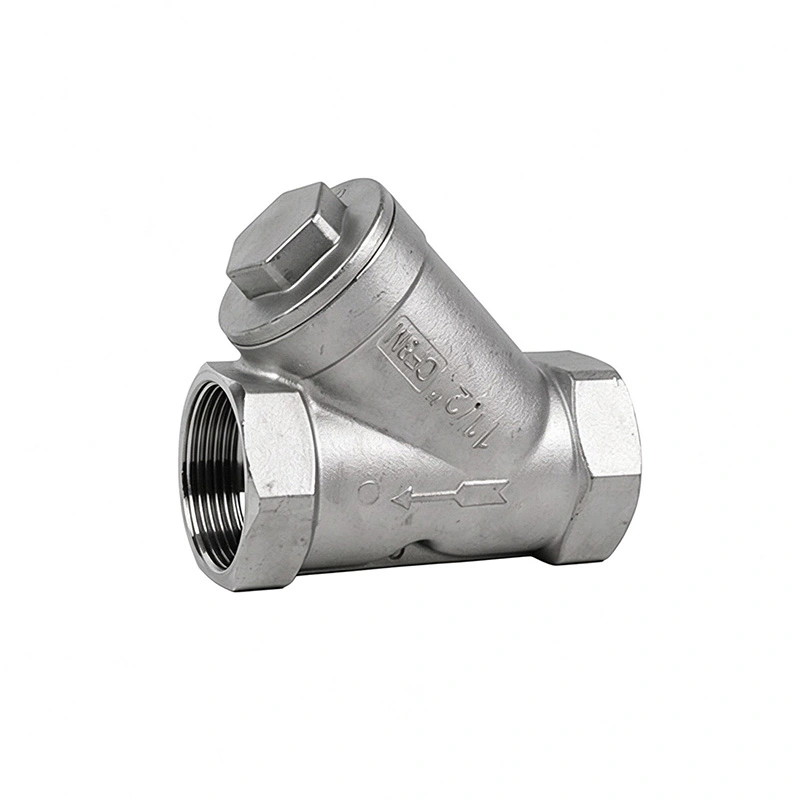
Stainless Steel Y-Strainer
Shangtai stainless steel Y-strainers effectively remove solid impurities from pipelines to protect pumps, valves and instrumentation. Featuring compact structure, large filtering area and low pressure drop, they suit water, oil and gas systems. As a direct factory with strict QC and export packaging, we deliver durable industrial filtration solutions.
Shangtai Valve is a professional Y Strainers manufacturer and supplier in China. Welcome to import quality products from our factory here.
News Recommendations