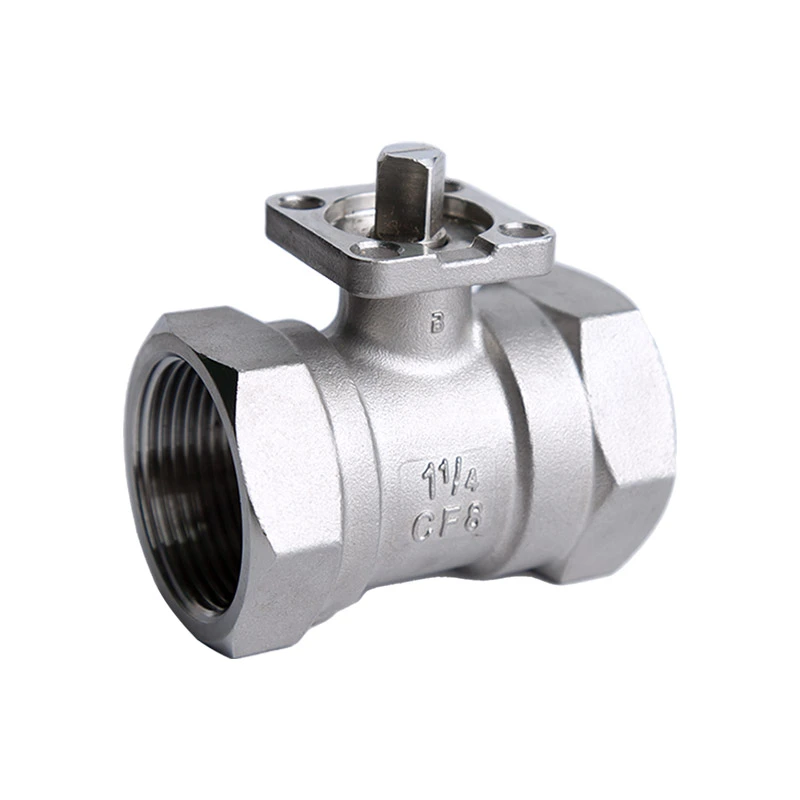
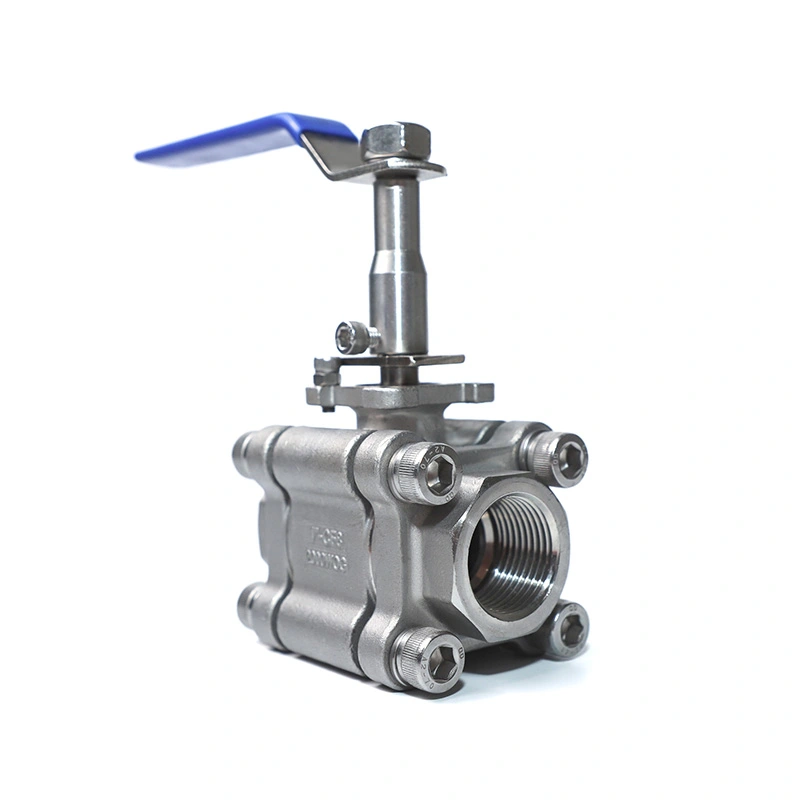
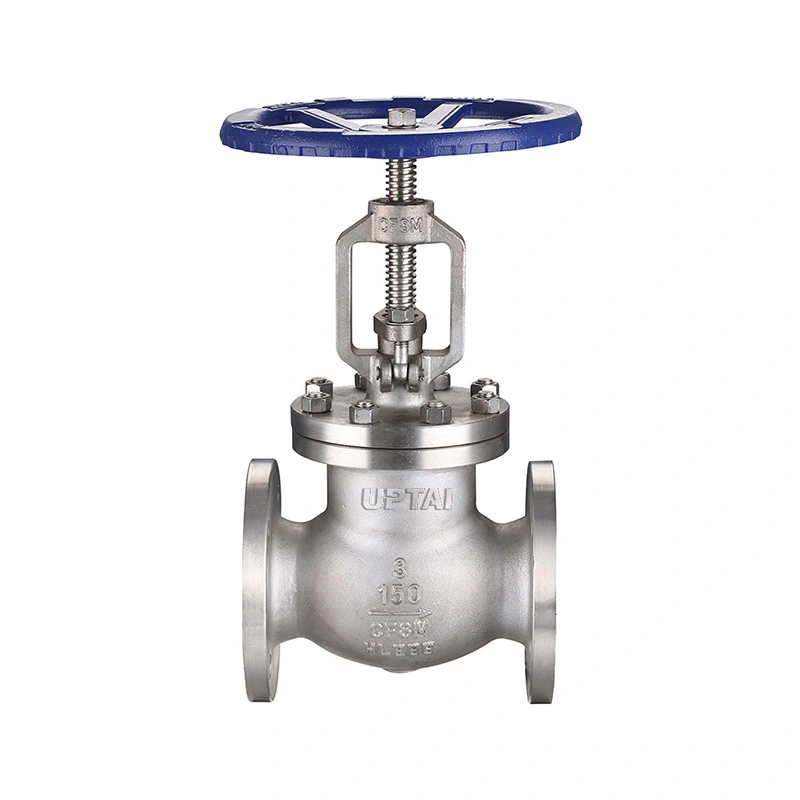
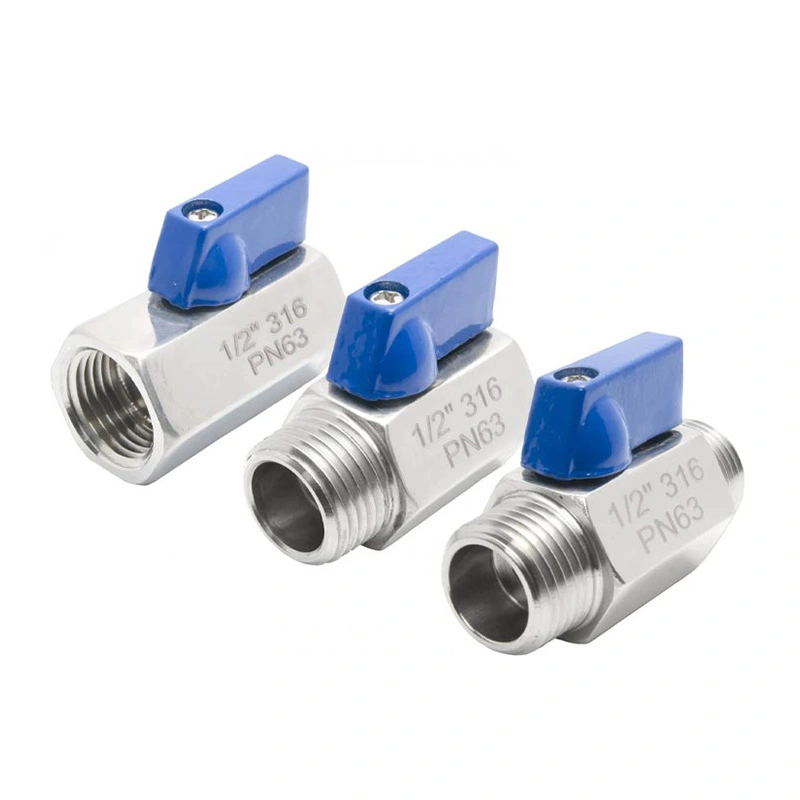
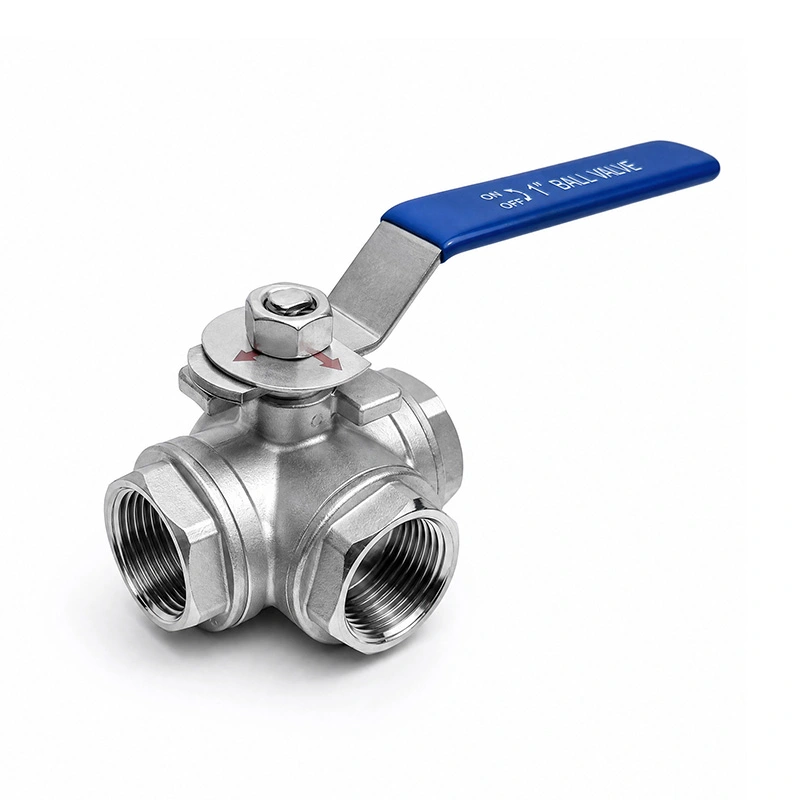
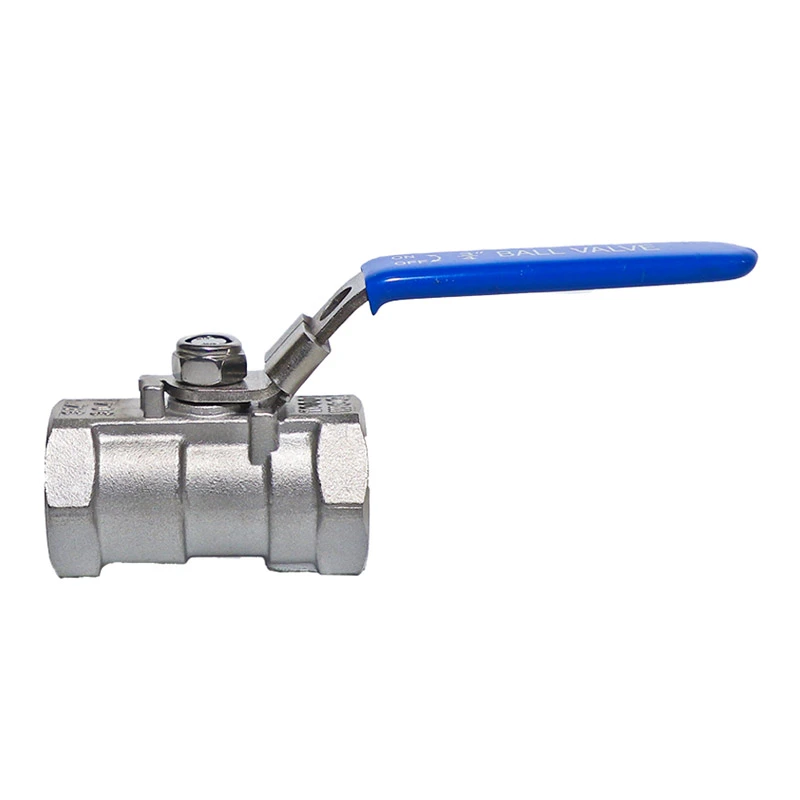
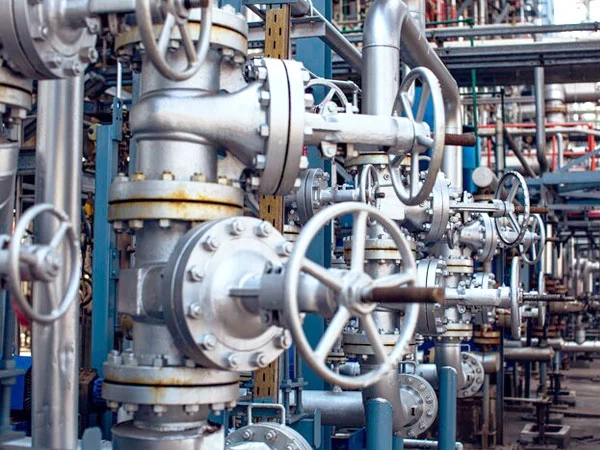
The global ball valve market continues to demonstrate robust growth, driven by increasing demand across oil and gas, chemical processing, water treatment, and power generation sectors. Industry analysts project the market to reach approximately $20.7 billion by 2032, with a compound annual growth rate of 4.8 percent from 2026 to 2032. This expansion reflects the essential role these quarter-turn flow control devices play in modern industrial infrastructure.
Manufacturers are responding to evolving industry requirements through product innovation and strategic development. Flowserve has re-engineered its quarter-turn floating ball valves for global availability by standardizing design, materials, construction, and product certifications. These valves serve critical applications in chemical processing, petrochemicals, energy, defense, food and beverage, industrial gases, pharmaceuticals, and water systems. The standardization approach enables manufacturers to maintain consistent quality across international markets while simplifying supply chain logistics.
Major industry players including Emerson, Kitz, IMI plc, Crane, Valmet, and Rotork continue to shape the competitive landscape through technological advancements and market expansion strategies. The market features diverse product segments spanning stainless steel, carbon steel, brass, and cast iron constructions, each serving specific application requirements.
Recent project developments highlight the scale of modern ball valve applications. Zhejiang RAYS Flow Control successfully delivered pneumatic-hydraulic fully welded ball valves for a natural gas pipeline project in Uzbekistan, with the largest units reaching 56 inches in diameter and weighing over 35 tons each. These large-scale valves incorporate multi-layer seat sealing structures designed to meet API 6D zero leakage requirements, demonstrating the advanced engineering capabilities now available in the industry.
Technological Innovation and Quality Standards
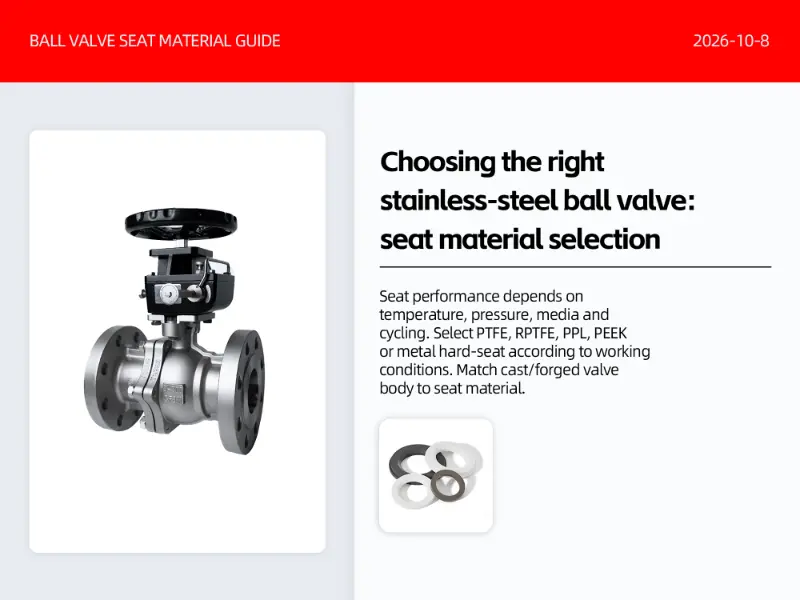
The industry is witnessing significant advancements in sealing technology and material engineering. Metal-seated designs have gained prominence for high-temperature, abrasive, and particulate-containing media applications, while soft-seated products remain prevalent for normal-temperature, clean-media services. Manufacturers are increasingly focusing on low-emission performance, severe-service capability, and extended maintenance intervals.
Quality certification and standardization have become decisive factors in market competition. Chinese manufacturers have strengthened capabilities in castings, forgings, precision machining, and large-scale industrial valve production. The expansion into higher-pressure, specialty-material, and severe-service products represents a strategic shift from price-competitive standardized goods toward reliability-focused engineered solutions.
We use cookies to offer you a better browsing experience, analyze site traffic and personalize content. By using this site, you agree to our use of cookies. Privacy Policy