Check Valves
Factory Direct Check Valves with Competitive Pricing
Shangtai Check Valves are designed to allow fluid to flow in one direction while automatically preventing reverse flow when the flow direction changes. Unlike manually operated isolation valves, these self-acting valves respond to the pressure and flow conditions in the pipeline without requiring an external actuator.
They are commonly installed downstream of pumps, compressors, and other process equipment to help reduce the risk of backflow and protect connected piping systems. Shangtai supplies different valve constructions for water treatment, oil and gas, chemical processing, petrochemical plants, power generation, HVAC, and general industrial applications.
Industrial Check Valve Supply
Shangtai supports valve selection according to pipe size, pressure class, medium, temperature, flow direction, installation position, connection type, and required response characteristics. Send your operating conditions for technical confirmation and quotation.
Product Types for Different Pipeline Conditions
The closure mechanism has a direct effect on opening response, pressure loss, installation requirements, and resistance to reverse flow. Selecting the appropriate construction requires consideration of the pipeline flow characteristics and equipment being protected.
Swing Check Valves
A hinged disc opens under forward flow and returns toward the seat when flow reverses. Swing designs are commonly used in water, utility, and industrial piping systems where suitable flow conditions are available.
Lift Check Valves
The closure element moves vertically from the seat in response to flow pressure. This construction can be considered for applications requiring controlled disc movement and suitable installation conditions.
Piston Check Valves
Piston-type construction uses a guided piston or disc to control forward and reverse flow. It can be selected for process systems where stable closing behavior and guided movement are required.
Ball Check Valves
A ball moves according to the direction and pressure of the fluid. These valves are used in selected liquid and utility applications where a compact self-acting closure mechanism is suitable.
Dual Plate Check Valves
Dual plates open under forward flow and close when the flow reverses. Their compact wafer-style construction can help reduce installation space in suitable pipeline systems.
Axial Flow Check Valves
Axial flow designs guide the closure element along the pipeline axis and can be considered where fast response, compact installation, and controlled flow characteristics are required.
Backflow Prevention for Pumps and Process Equipment
Reverse flow can occur when a pump stops, pressure conditions change, or fluid moves between connected sections of a piping system. A properly selected check valve can close automatically when the upstream-to-downstream pressure relationship changes, helping limit reverse flow.
Installation is particularly important around pump discharge lines. The valve type, closing characteristics, distance from the pump outlet, and nearby elbows or fittings can affect system behavior. For applications sensitive to pressure surges, the closing response and potential for water hammer should be evaluated during valve selection.
Key selection factors: Medium, nominal size, pressure rating, operating temperature, flow rate, flow direction, installation position, allowable pressure loss, cracking pressure, closing characteristics, and connection type.
Cracking Pressure and Flow Requirements
Cracking pressure refers to the minimum differential pressure required to move the closure element away from its seat and allow flow to begin. This parameter becomes particularly important in low-pressure, gravity-flow, and low-velocity systems.
A valve with excessive opening resistance may create unwanted pressure loss or restrict flow in a system with limited available pressure. Conversely, the closure characteristics must be suitable for the application to reduce the risk of unstable operation or reverse-flow-related pressure surges.
When requesting a configuration, providing the normal and minimum flow rate, operating pressure, and available differential pressure can help determine a suitable internal design.
Materials for Water, Process and Industrial Service
Material selection should be based on the working medium, temperature, pressure, corrosion conditions, and applicable project requirements. Depending on the valve construction, body and internal component materials can be specified for different industrial services.
Carbon Steel
Used for suitable oil, gas, water, steam, and industrial process applications where carbon steel is compatible with the operating environment.
Stainless Steel
Selected for applications where improved corrosion resistance is required. The appropriate grade should be determined according to the fluid and temperature.
Seat and Sealing Materials
Seat, gasket, and sealing materials should be selected according to fluid compatibility, pressure, temperature, and required shut-off performance.
Internal Components
Disc, hinge, spring, piston, ball, and other internal components should be specified according to valve construction and operating conditions.
End Connections and Installation Orientation
Available connection configurations may include flanged, wafer, lug, butt-weld, socket-weld, threaded, and other project-specified ends. The selected connection should match the pipeline dimensions, pressure class, installation method, and applicable connection standard.
Not every design is suitable for every installation direction. Some models can operate in horizontal and vertical pipelines, while others require a specific flow orientation or installation position. Always check the valve flow arrow and manufacturer's installation requirements before commissioning.
For vertical installations, the direction of fluid flow and the weight or spring characteristics of the closure element can affect opening and closing behavior. These factors should be considered when selecting the valve construction.
Reducing Noise, Vibration and Water Hammer
Noise or vibration may occur when the closure element repeatedly opens and closes under unstable flow conditions. Incorrect sizing, low or fluctuating flow velocity, turbulence, debris, and unsuitable installation near pumps or elbows can contribute to this behavior.
Water hammer is another important consideration in systems where fluid velocity changes rapidly. Valve closing characteristics, pipeline layout, pump operation, and system volume should be evaluated together rather than selecting the valve based only on nominal pipe size.
For Pump Outlet and High-Speed Flow Applications
Provide pump flow rate, discharge pressure, pipe size, fluid characteristics, installation position, and any known water hammer or vibration concerns. This information helps Shangtai evaluate the appropriate valve construction and closing characteristics.
Applications in Industrial Piping Systems
These self-acting valves are used wherever reverse flow could affect equipment operation, process stability, or pipeline performance. The suitable construction depends on the medium, flow conditions, pressure, temperature, and installation arrangement.
Pump Outlet Lines
Installed downstream of pumps to help prevent reverse flow when the pump stops or system pressure changes.
Oil and Gas Systems
Used in selected production, transmission, process, and utility pipelines where one-way flow control is required.
Water Treatment
Applied in water supply, treatment, pumping, and wastewater systems for pipeline backflow prevention.
Chemical and Petrochemical
Material and sealing configurations can be selected according to the chemical medium, pressure, temperature, and corrosion conditions.
Power Generation
Used in suitable water, steam, cooling, and auxiliary systems where reverse-flow protection is required.
HVAC and Utilities
Selected for suitable chilled-water, heating-water, pump, and utility piping systems according to the operating conditions.
Manufacturing and Inspection
Shangtai manages production, inspection, and supply according to the specified valve configuration and application requirements. Quality control can include dimensional inspection, material verification, pressure testing, sealing performance, operating checks, and other applicable inspection procedures.
Shangtai valves are ISO 9001, CE, and EAC certified. Selected products can also be manufactured and tested according to applicable international standards, including API 6D and API 598, when required by the project.
Project documentation: For technical projects, specify the applicable design and testing standards, pressure class, material requirements, connection standard, inspection requirements, and certification documents when submitting an inquiry.
How to Specify the Right Check Valve
Valve selection should start with the operating conditions rather than the pipe diameter alone. The medium, flow rate, pressure, temperature, installation orientation, allowable pressure loss, and required response to reverse flow all affect the appropriate valve construction.
For pump and compressor systems, provide normal and maximum flow rates, operating pressure, pipe size, equipment type, and any known pressure surge or water hammer conditions. For low-pressure systems, cracking pressure and minimum operating flow are particularly useful selection parameters.
You can also provide pipeline drawings, valve schedules, equipment data sheets, or existing valve specifications. Shangtai can review the available information before preparing a configuration and quotation. For other industrial valve products, visit the Shangtai valve product range.
Frequently Asked Questions
What are the common types available?
Common Check Valves types include swing, lift, piston, ball, dual plate, and axial flow designs. Each construction has different flow, closing, pressure loss, and installation characteristics.
How do I choose the right type?
Selection depends on the working medium, pipe size, pressure rating, temperature, flow rate, installation position, allowable pressure loss, cracking pressure, and required closing response.
Can these valves be installed vertically?
Some designs can be installed vertically, while others require a specific orientation. Always follow the flow arrow, installation instructions, and project piping requirements.
What is cracking pressure?
Cracking pressure is the minimum differential pressure required to move the closure element away from its seat and start forward flow. It is particularly relevant in low-pressure and gravity-flow systems.
Why does a valve make noise or vibrate?
Possible causes include incorrect sizing, unstable flow, low flow velocity, turbulence, water hammer, internal debris, or installation too close to pumps, elbows, or other flow disturbances.
What end connections are available?
Common options include flanged, wafer, lug, butt-weld, socket-weld, threaded, and other project-specified connections, depending on the valve design and pipeline requirements.
What maintenance is required?
Inspection may include the closure element, hinge pin, spring, seat surface, gasket, and internal cleanliness. Worn or damaged sealing components should be replaced according to service conditions and maintenance requirements.
What information is needed for a quotation?
Please provide valve size, pressure class, connection type, valve construction, material, working medium, temperature, flow direction, flow rate, installation position, quantity, and any required drawings or technical documents.
Need a Valve for Backflow Protection?
Send your pipe size, pressure, medium, flow rate, installation position, connection standard, and application details to Shangtai for technical confirmation and quotation.
- View as
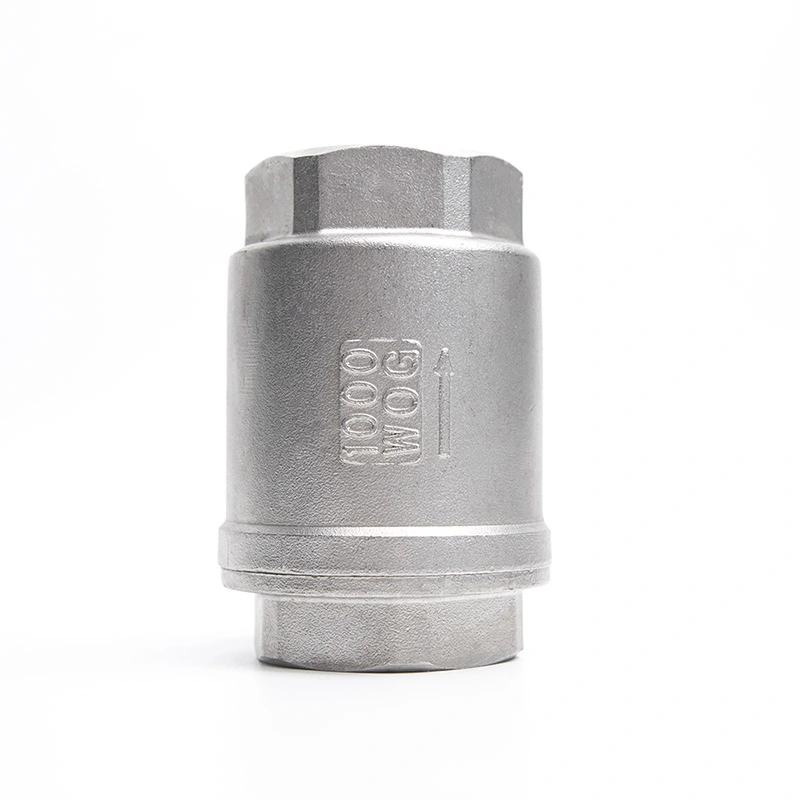
Stainless Steel Spring Vertical Check Valve
Shangtai Stainless Steel Spring Vertical Check Valve prevents backflow with a rapid spring-assisted closure, minimizing water hammer. Crafted from premium stainless steel, it ensures excellent corrosion resistance and reliable non-return flow control.
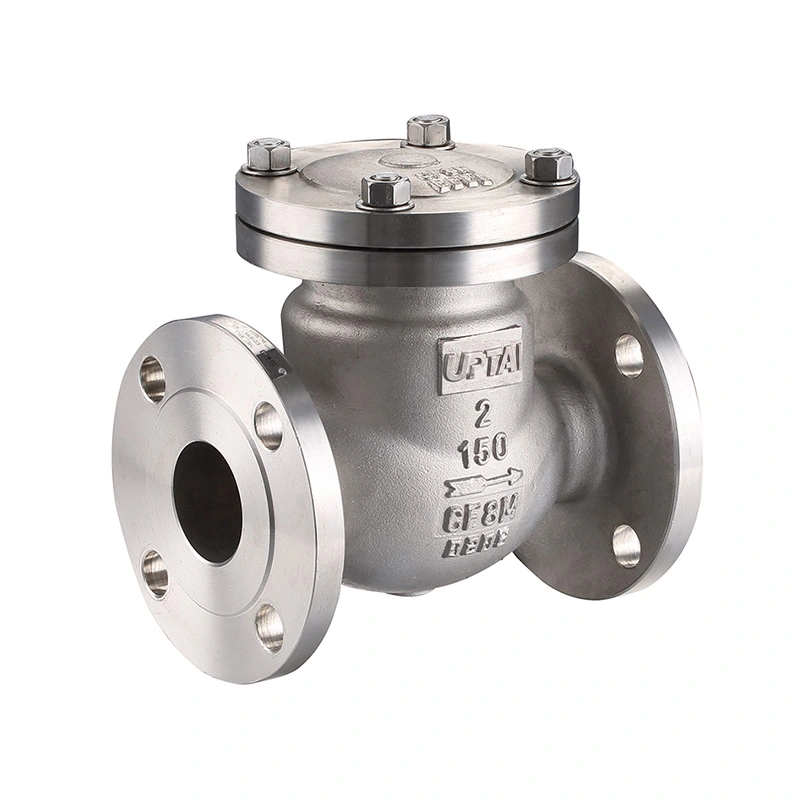
Swing Check Valve ANSI Class 150
Shangtai Swing Check Valve ANSI Class 150 uses a hinged disc to control reverse flow in pipelines. The disc opens when the medium flows forward and closes when the flow changes direction, preventing backflow to pumps, compressors and other equipment. It is available for large-diameter piping in water treatment, petrochemical, power and general industrial systems, with different materials and connection options available according to the service conditions.
Shangtai Valve is a professional Check Valves manufacturer and supplier in China. Welcome to import quality products from our factory here.
News Recommendations