
News
Why Are Stainless Steel Valves Preferred in Data Center Liquid Cooling Pipelines?
Liquid Cooling · Material Selection
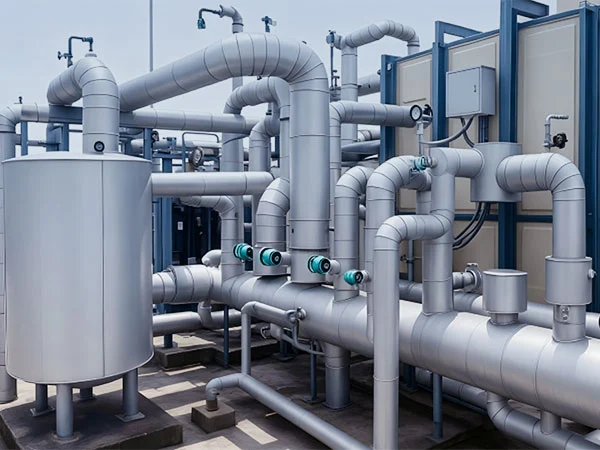
The core purpose of liquid cooling is to dissipate heat in data centers. If cooling is the goal, why not use copper components, which offer superior thermal conductivity? Why are stainless steel pipes and valves the preferred choice instead?
This is a common misconception. The primary function of the pipeline system is not to conduct or dissipate heat — it is to transport the coolant.
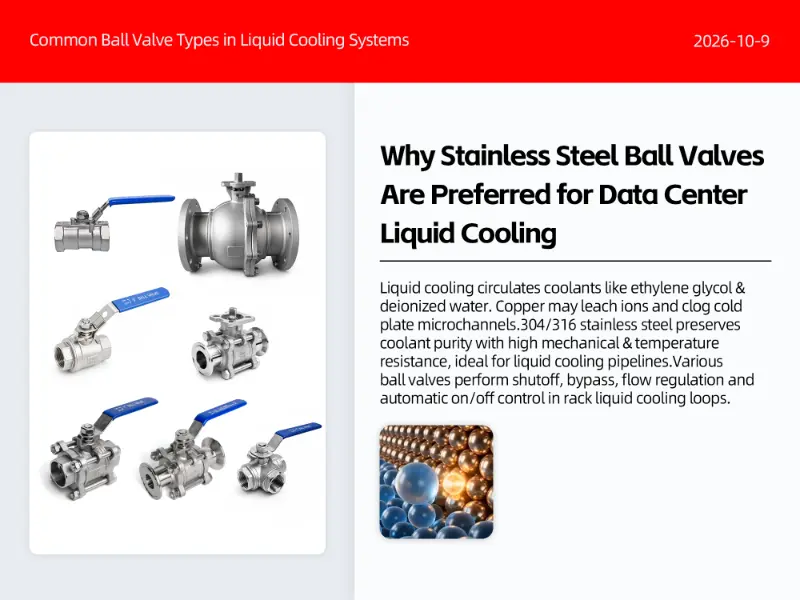
Heat exchange primarily takes place at the cold plate heat sink, not within the piping itself. Liquid cooling systems typically use coolants such as ethylene glycol and deionized (DI) water. Copper's most significant drawback is its tendency toward ion leaching: copper ions dissolve into the DI coolant. Over extended circulation, this contaminates the entire system and can precipitate onto the fine microchannels of chip cold plates, causing clogging.
In contrast, 304 and 316 stainless steels exhibit excellent chemical stability and virtually do not leach metal ions, preserving coolant purity. Stainless steel also offers:
1 High structural strength — for reliable performance under sustained system pressure.
2 Resistance to extreme temperature cycling — without fatigue or dimensional drift.
3 Creep resistance — with no deformation under sustained long-term pressure.
4 Precision-polishable inner walls — minimizing fluid resistance and pressure loss.
For energy storage server liquid cooling projects, stainless steel pipes and valves are therefore the first choice.
Common Ball Valve Types in Liquid Cooling Systems — Position and Function
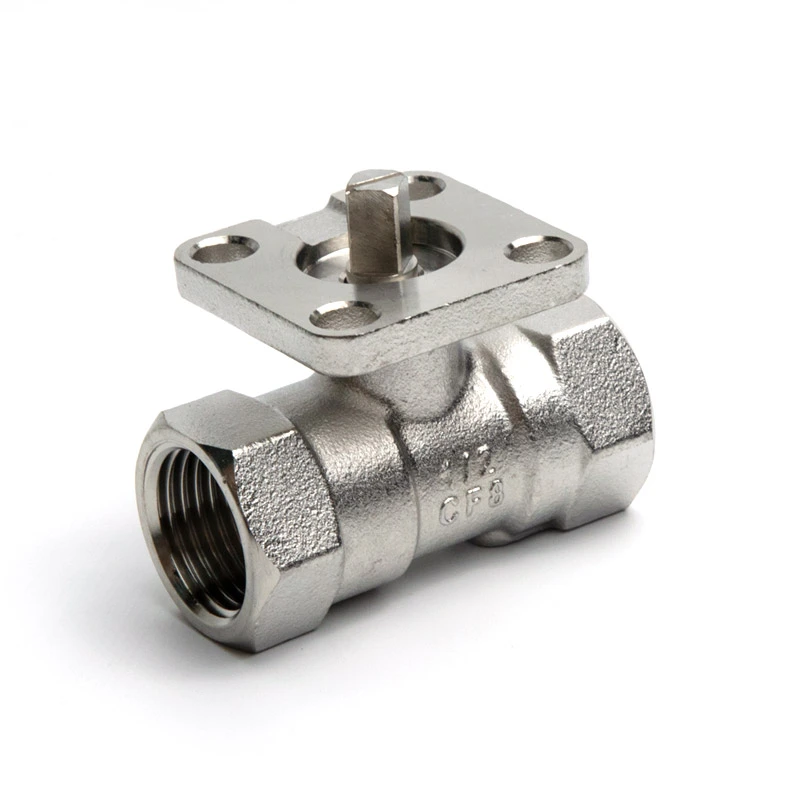
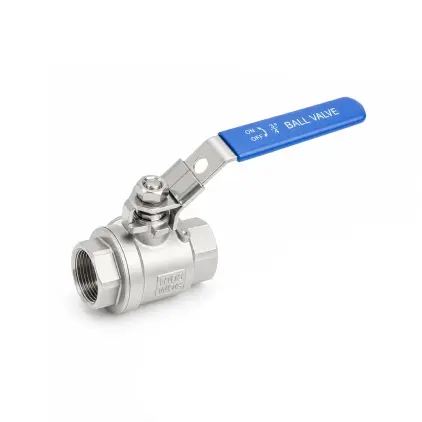
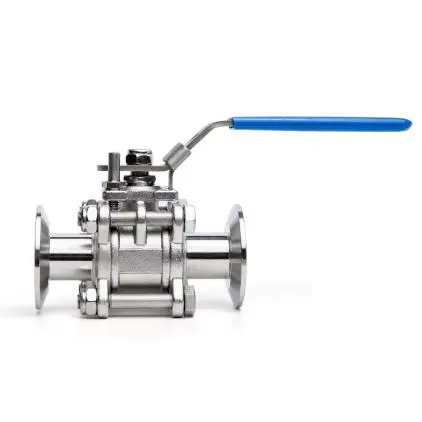
Beyond material selection, ball valves are the most widely used shutoff and flow-control elements in a liquid cooling loop. The common types, and where they sit in the system, are:
01
Full-bore ball valve
02
Reduced-bore ball valve
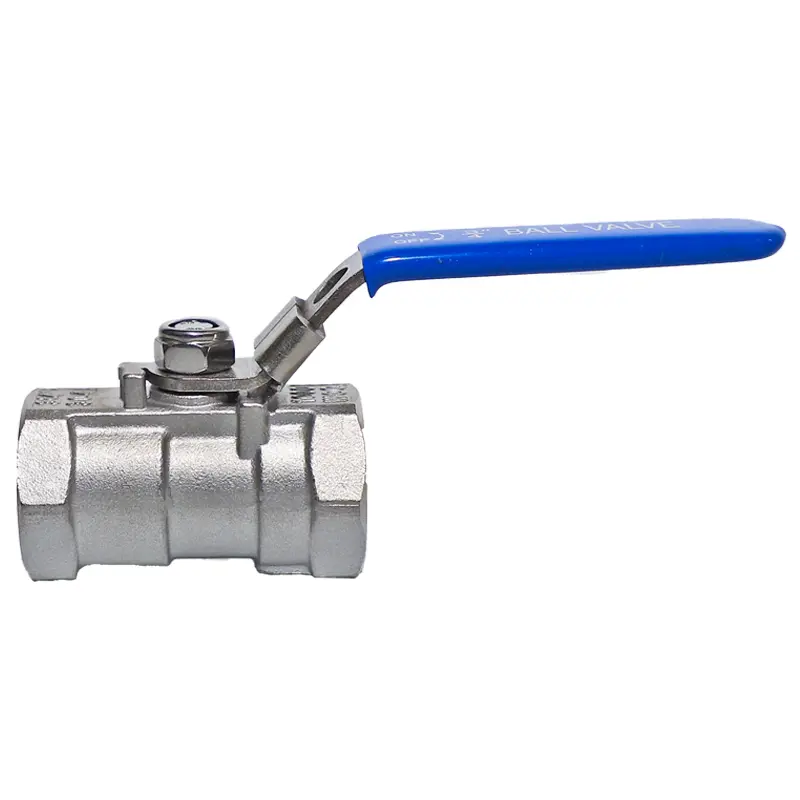
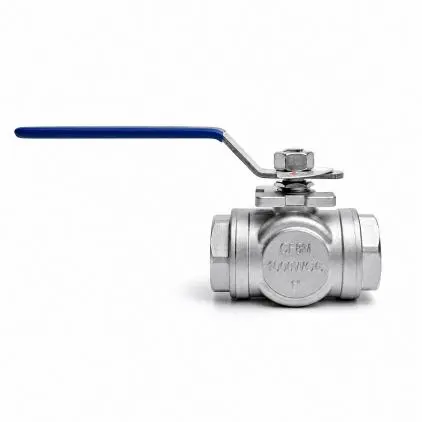
04
Actuated ball valve
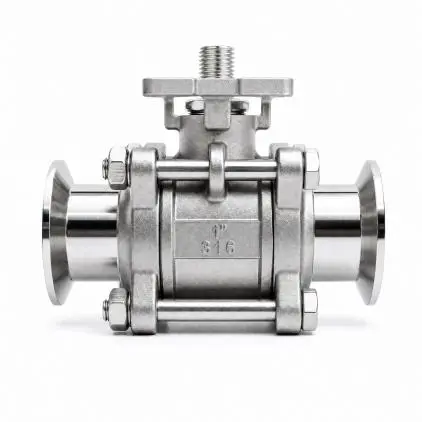
05
V-port ball valve
06
Flanged / threaded / butt-weld end ball valve
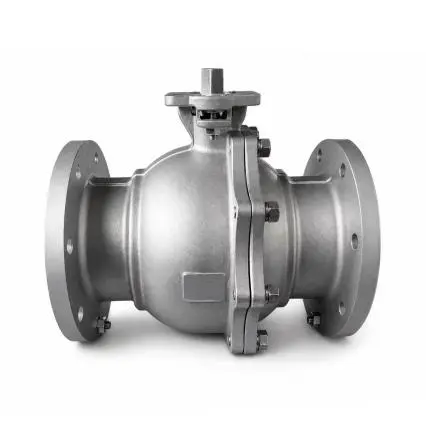
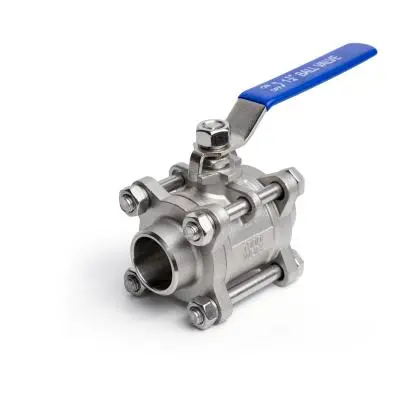
In practice, a typical rack-level liquid cooling loop uses full-bore valves at the CDU isolation points, three-way valves for bypass and service routing, and reduced-bore valves on individual rack branches — all in 304 or 316 stainless, with FKM / EPDM seals compatible with glycol–water coolants.
About Shangtai Ball Valves
Shangtai manufactures 304 / 316 stainless steel ball valves — full-bore, reduced-bore, three-way and actuated — precision-engineered for data center and energy storage liquid cooling loops, with low leakage, smooth operation, and long service life under continuous pressure.
Related News
- Technical Insight: 2000 WOG 2-Piece High Platform Ball Valve - Design Features & Application Environments
- How Can a Three Way Ball Valve L Port Improve Flow Control in Industrial Piping Systems
- Why Is a 1PC Electropolished Stainless Steel Direct Mount Ball Valve a Smart Choice for Modern Fluid Control
- Stainless Steel Ball Valve Seal Selection: A Decision-Making Guide Based on Temperature and Pressure for Inquiries
- Check Valve Market Advances with Major Projects and Technological Breakthroughs
- Flanged Ball Valves: Market Growth and Application Expansion
Leave me a message
New Products
News Recommendations