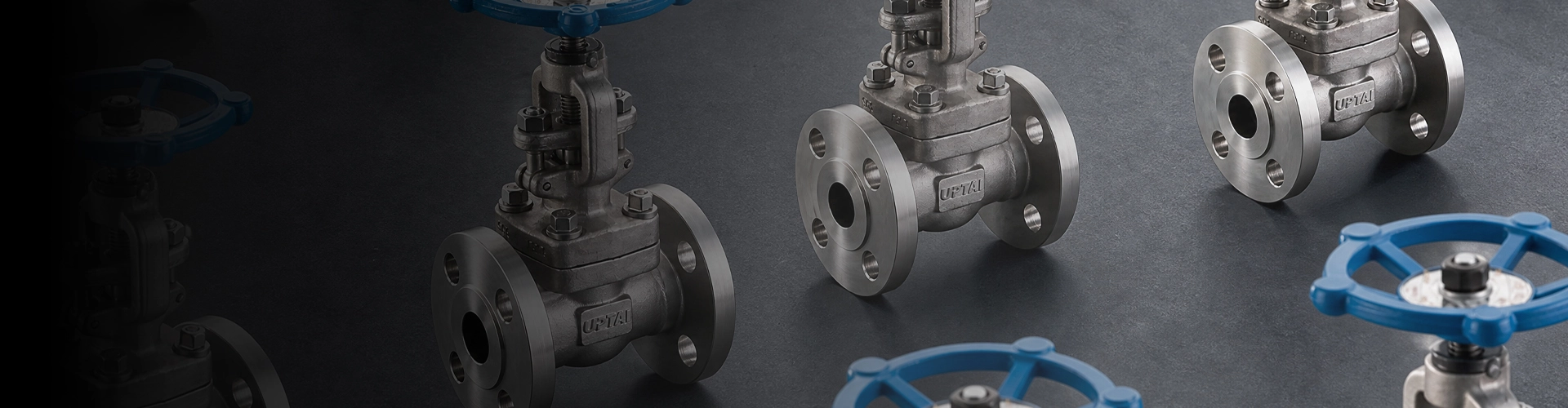
Globe Valves
Globe Valves Manufacturer for Precise Flow Control in Industrial Systems
Shangtai Globe Valves are designed for applications that require controlled flow regulation, throttling, and dependable shut-off in industrial piping systems. The linear movement of the disc against the seat allows the valve opening to be adjusted progressively, making this valve type suitable for systems where flow control is more important than maintaining the lowest possible pressure loss.
Shangtai supplies cast and forged globe valve configurations in carbon steel and stainless steel for steam, water, oil, gas, chemical processing, petrochemical, power generation, and general industrial services. Valve construction, pressure rating, end connection, trim, and operation method can be selected according to the medium and operating conditions.
Globe Valve Supply for Industrial Piping
Shangtai supports standard and project-specific globe valve configurations based on valve size, pressure class, temperature, medium, flow requirements, connection type, material, and actuation. Send your technical requirements for configuration confirmation and quotation.
Globe Valve Patterns for Different Piping Layouts
The valve body pattern affects flow direction, pressure loss, installation space, and maintenance access. Shangtai can provide different globe valve patterns according to the pipeline arrangement and service requirements.
Straight Pattern Globe Valves
The inlet and outlet are arranged along the main body axis with the flow redirected through the valve. This is a common configuration for general industrial pipeline applications.
Angle Pattern Globe Valves
The inlet and outlet are positioned at an angle, allowing the valve to change the flow direction while reducing the need for an additional pipe elbow in suitable installations.
Y-Pattern Globe Valves
The inclined body and stem arrangement provides a more direct flow path than conventional straight-pattern construction, making Y-pattern designs suitable for selected high-flow or demanding services.
Pattern selection: The appropriate body pattern should be evaluated together with flow rate, allowable pressure drop, pipeline direction, installation space, operating temperature, and maintenance requirements.
Cast and Forged Globe Valve Construction
Shangtai provides both cast and forged construction for different industrial service requirements. The appropriate manufacturing method depends on valve size, pressure class, material, mechanical requirements, and project specifications.
Cast Globe Valves
Cast construction is suitable for a wide range of industrial valve sizes and configurations. It can support different body patterns and connection arrangements for process and utility piping.
Forged Globe Valves
Forged construction is commonly considered for smaller-bore, higher-pressure, or demanding service applications where the mechanical properties of the body material are important.
Material selection should be based on the working medium, temperature, pressure, corrosion conditions, and applicable project standards. Carbon steel and stainless steel configurations can be selected for different process and utility services.
Materials and Trim Selection
The valve body is only one part of the material selection process. Seat, disc, stem, and other wetted or pressure-containing components should also be considered according to the medium and operating environment.
Carbon Steel
Used for suitable water, oil, gas, steam, and industrial process applications where the operating conditions are compatible with carbon steel construction.
Stainless Steel
Selected where improved corrosion resistance is required. The appropriate stainless steel grade should be determined according to the medium, temperature, and chemical conditions.
Disc and Seat Materials
Trim and sealing materials should be matched with the working medium, temperature, pressure, erosion conditions, and required shut-off performance.
Packing and Sealing
Packing and gasket selection should take operating temperature, pressure, medium compatibility, and maintenance requirements into account.
Flow Regulation and Pressure Drop Considerations
Globe valves are commonly selected when the pipeline requires more controlled adjustment of flow than a simple isolation valve can provide. The disc position can be changed gradually to regulate the passage area and influence the flow rate.
However, the internal flow path of a globe valve generally creates greater pressure loss than a full-bore valve with a straight-through passage. For this reason, valve selection should balance the required control function with the allowable pressure drop and system energy requirements.
Consider Flow Rate Before Valve Selection
For flow control applications, provide the required flow rate, inlet and outlet pressure, operating temperature, medium, and expected pressure drop whenever available. These parameters help determine a suitable valve size and internal configuration.
Manual and Automated Operation
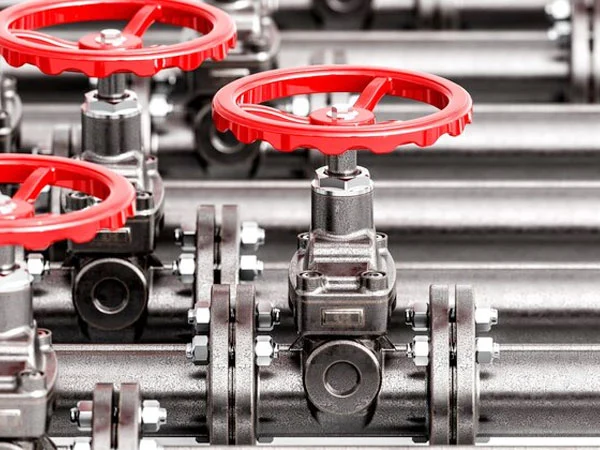
Depending on valve size, operating conditions, and control requirements, Shangtai globe valves can be configured for manual or automated operation. Manual handwheel operation is suitable for applications where local adjustment is sufficient, while actuated configurations can be integrated into automated process control systems.
Handwheel Operation
A practical solution for manually operated pipelines where valve adjustment and shut-off are performed locally.
Gear Operation
Gearboxes can be considered for larger valves or applications where the required operating force makes direct handwheel operation less practical.
Electric Actuation
Electric actuators can be integrated with suitable control systems for remote operation and automated process control.
Pneumatic Actuation
Pneumatic actuators can be used where compressed-air systems are available and fast or remote valve operation is required.
For automated valve requirements, actuator selection should consider operating torque or thrust, valve size, pressure differential, control frequency, available power or air supply, and environmental conditions.
Applications in Steam, Process and Utility Systems
Globe valves are widely used in industrial systems where flow adjustment, pressure control, or dependable shut-off is required. Their applications vary according to body material, pressure rating, temperature range, trim, and connection configuration.
Steam Systems
Used for suitable steam pipeline services where temperature, pressure, sealing materials, and valve construction are selected for the operating conditions.
Oil and Gas
Applied in selected oil and gas process and utility lines where controlled flow and reliable shut-off are required.
Chemical and Petrochemical
Material and trim configurations can be selected according to the chemical medium, temperature, pressure, and corrosion characteristics.
Power Generation
Used in suitable steam, water, cooling, and auxiliary systems where flow regulation and isolation are required.
Water and Utility Piping
Selected for industrial water, utility, and process pipelines according to the required pressure, temperature, material, and control function.
General Industrial Services
Suitable configurations can be specified for manufacturing plants and other industrial piping systems requiring controlled flow or shut-off.
End Connections and Installation Requirements
Shangtai can supply globe valves with different end connection configurations, including flanged, butt-weld, socket-weld, threaded, and other project-specified connections. The selected connection should match the pipeline standard, pressure class, dimensions, and installation method.
Before installation, verify the valve tag and size, pressure rating, connection dimensions, flow direction, gasket compatibility, bolt alignment, pipeline cleanliness, and available space for handwheel or actuator operation.
Most globe valve bodies include a flow-direction marking. The valve should be installed according to the marked direction and the applicable piping drawings or project specifications.
For other industrial valve configurations, visit the Shangtai valve product range to review available products and applications.
Manufacturing, Testing and Quality Control
Shangtai manages manufacturing and inspection according to the specified valve configuration and project requirements. Quality control can cover dimensional inspection, material requirements, pressure testing, sealing performance, operating function, and other applicable inspection items.
Shangtai valves are ISO 9001, CE, and EAC certified. Selected products can also be manufactured and tested according to applicable international standards, including API 6D and API 598, when required by the project.
Project documentation: When required, please specify applicable standards, inspection requirements, certification documents, drawings, material requirements, and testing procedures when submitting an inquiry.
How to Specify a Globe Valve
For accurate valve selection, provide as much operating information as possible. The basic specification normally includes nominal size, pressure class, working medium, operating temperature, required flow rate, allowable pressure drop, end connection, body material, trim requirements, and operation method.
For process applications, additional information such as upstream and downstream pressure, normal and maximum flow rate, fluid density or viscosity, shut-off requirements, and control conditions can help determine the appropriate valve configuration.
Frequently Asked Questions
What types of globe valve patterns are available?
Common Globe Valves patterns include straight pattern, angle pattern, and Y-pattern. Selection depends on pipeline layout, pressure drop, flow requirements, installation space, and maintenance conditions.
How do I choose the right valve?
Consider valve size, pressure class, working temperature, medium, flow rate, allowable pressure drop, end connection, trim requirements, and operation method. Process applications may also require upstream and downstream pressure information.
What end connections are available?
Available configurations may include flanged, butt-weld, socket-weld, threaded, and other project-specified connections, depending on the valve design and application requirements.
Is flow direction important during installation?
Yes. Most models have a flow-direction marking on the body. Installation should follow the marked direction together with the applicable piping drawings and project requirements.
Can the products be equipped with actuators?
Yes. Depending on the application, products can be configured with handwheels, gearboxes, electric actuators, pneumatic actuators, or other suitable automation components.
What should be checked before installation?
Check the valve size, pressure rating, connection standard, flow direction, gasket compatibility, pipeline cleanliness, bolt alignment, and available operating space before installation.
What maintenance is normally required?
Regular inspection of the packing, stem, bonnet joint, sealing surfaces, and operating mechanism is recommended. Maintenance intervals should be determined according to service conditions, operating frequency, and the manufacturer's instructions.
What information is needed for a quotation?
Please provide valve size, pressure class, connection type, body and trim requirements, working medium, temperature, flow rate, operation type, quantity, applicable standards, and any required drawings or technical documents.
Need a Globe Valve for Your Piping System?
Send your valve size, pressure, medium, temperature, flow requirements, connection standard, and operation method to Shangtai for technical confirmation and quotation.
- View as
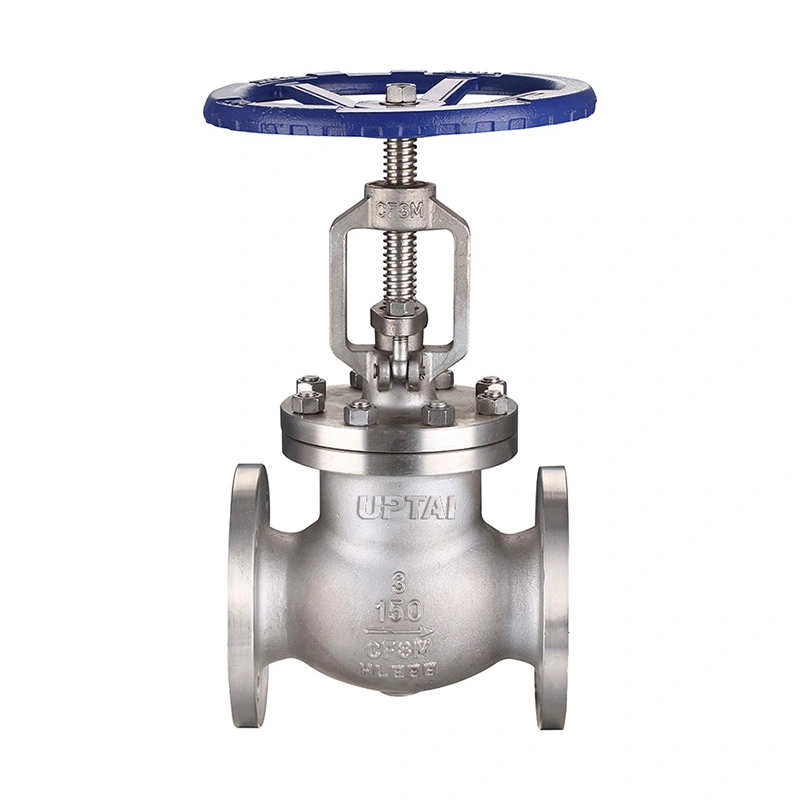
ANSI Standard Flanged Globe Valve
Shangtai ANSI standard flanged globe valves deliver precise flow regulation and reliable tight shutoff for industrial pipelines. Manufactured in strict compliance with ANSI B16.34 specifications, they feature robust structure and stable sealing performance. As a direct factory with rigorous quality control and export-grade packaging, we supply durable globe valves for petrochemical, power and water treatment applications.
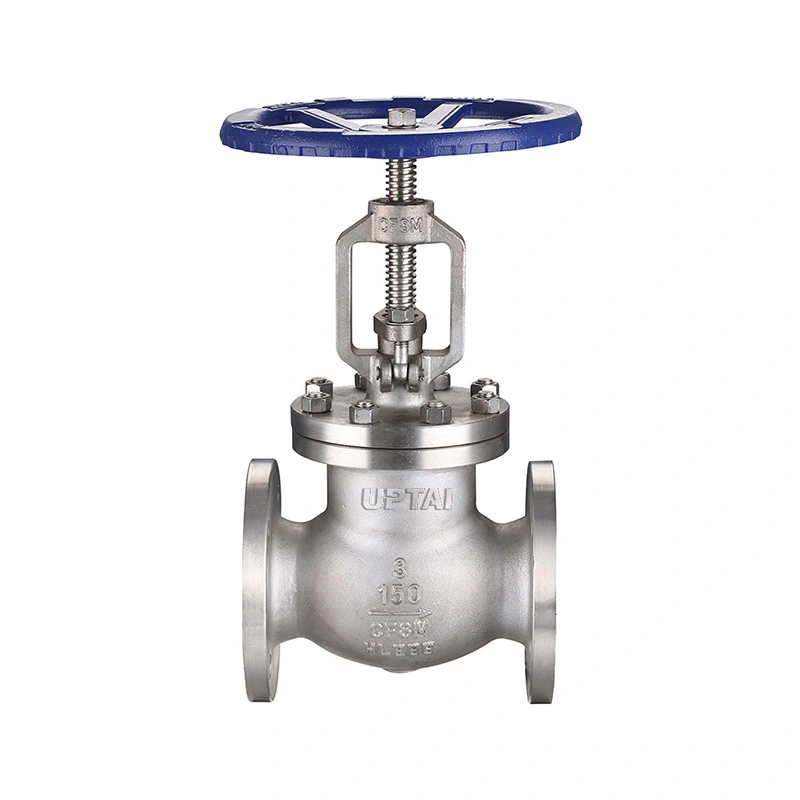
Class 150 Forged Stainless Steel Flanged Globe Valve
Shangtai Class 150 Forged Stainless Steel Flanged Globe Valve delivers superior flow control and corrosion resistance. Featuring robust forged construction and easy flanged installation, it ensures reliable sealing for critical piping systems.
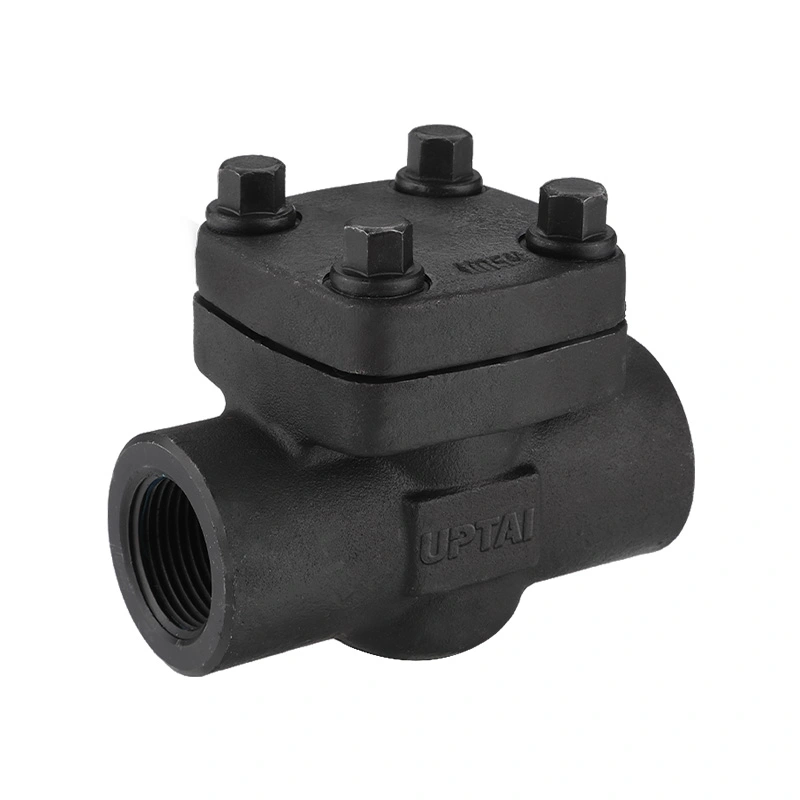
800LB ASTM A105N Forged Carbon Steel Globe Valve
UPTAI 800LB ASTM A105N Forged Carbon Steel Globe Valve offers exceptional strength for high-pressure throttling. Normalized for superior toughness, it ensures reliable flow regulation and tight shut-off in demanding industrial piping systems.
Shangtai Valve is a professional Globe Valves manufacturer and supplier in China. Welcome to import quality products from our factory here.
News Recommendations