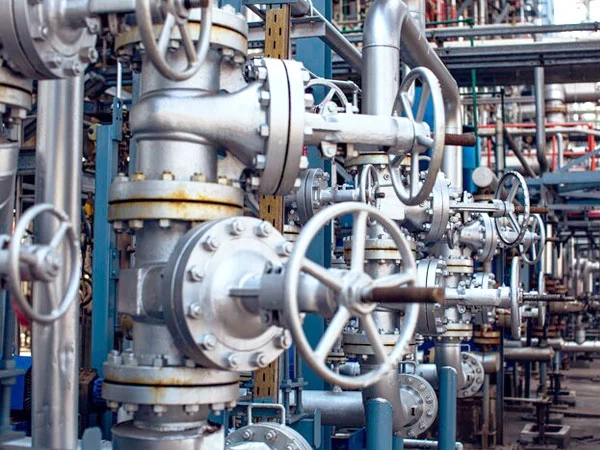
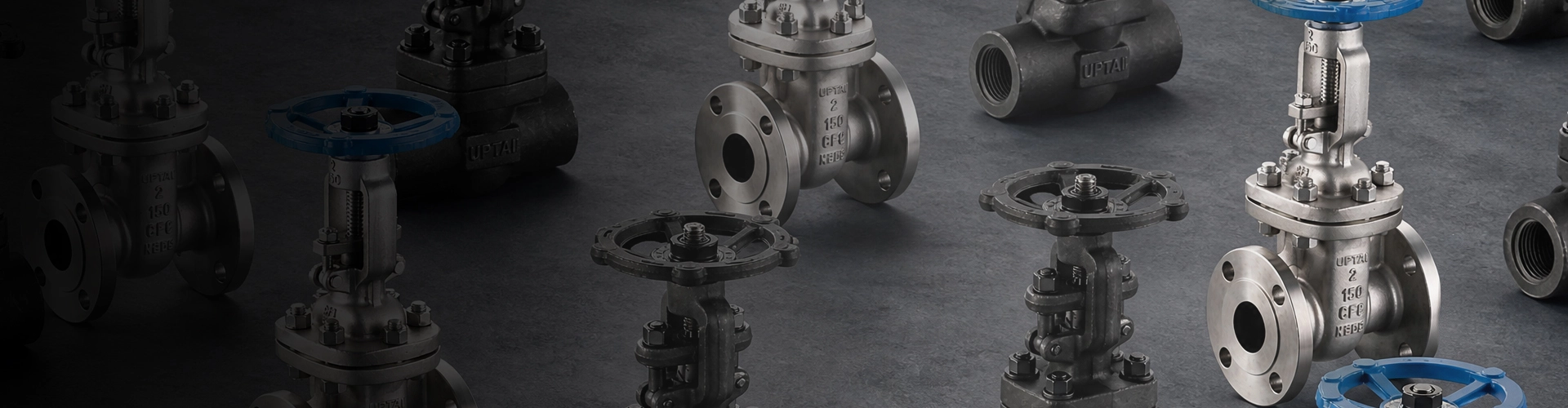
Gate Valves
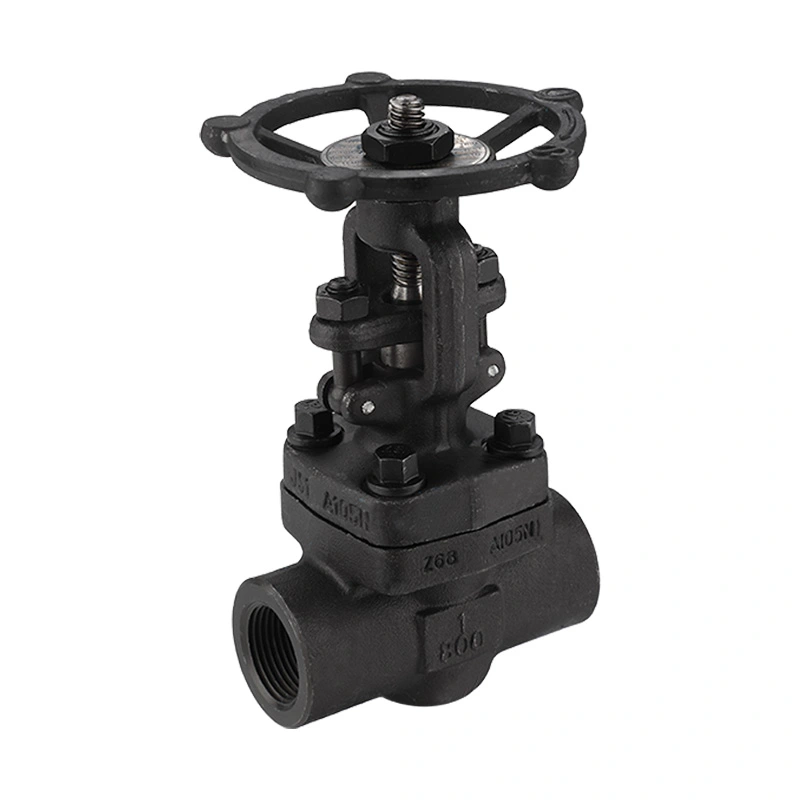
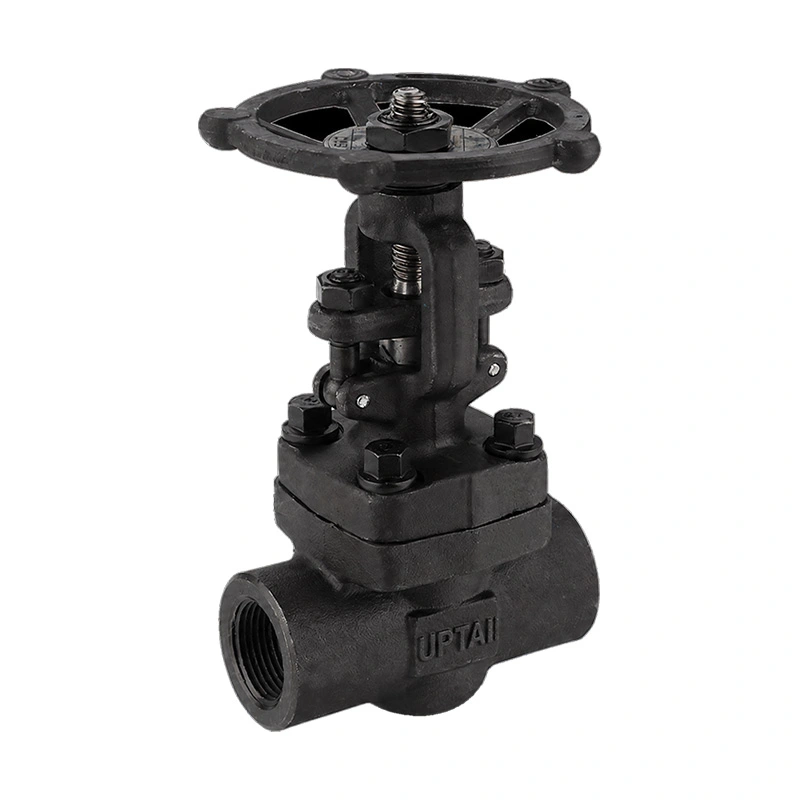
Forged Carbon Steel Gate Valve 800LB
Our Forged Carbon Steel Gate Valve 800LB is engineered to API 602 standards for high-pressure pipelines. Featuring a robust forged A105 body, OS&Y design, and reliable bi-directional shutoff, it delivers exceptional durability and flow control for demanding industrial systems.
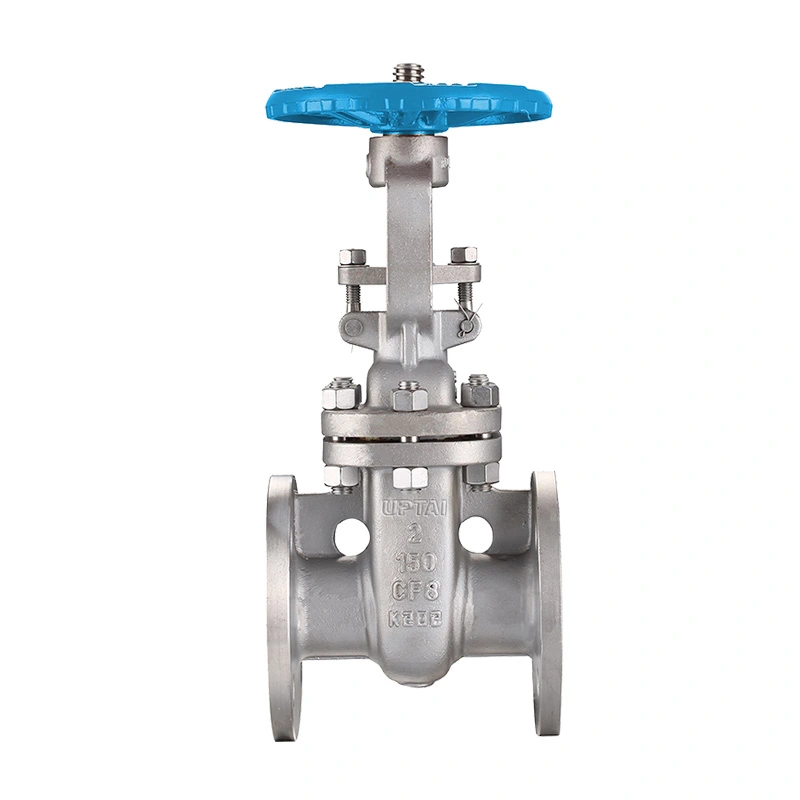
The Forged Carbon Steel Gate Valve 800LB is a forged gate valve for small-bore industrial piping. It uses an ASTM A105N body, OS&Y stem arrangement, bolted bonnet, and handwheel operation. NPT, BSP, and socket-weld connections are available for different piping configurations.
Shangtai manufactures industrial valves in Wenzhou, Zhejiang, China. The production process includes machining, assembly, pressure testing, inspection, marking, and packaging. Valve specifications can be confirmed from the required size, connection, medium, pressure, temperature, and material requirements.
Main Dimensions
| Size | 1/4" - 2" |
| Pressure Class | CL800 |
| Design and manufacturing standards | API 602 |
| Face-to-Face Dimensions Standard | ASME B16.10 |
| End Connections | NPT/BSP/SW |
| Testing and inspection | API598 |
| Connection Standards | ASME B1.20.1 |
| Pressure-Temperature Ratings | ASME B16.34 |
| NACE Standards | NACE MR0175 / ISO 15156 |
| Valve Operator | Handwheel |
| Maximum Working Pressure | 1975 PSI |
| Temperature Range | -29ºc + 425ºc |
| Body Material | ASTM A105N |
| Disc Material | ASTM A-276 Gr. 420+STL#6/ ASTM A-276 Gr. 420 |
| Stem Material | ASTM A182 F6a |
| Seat Material | ASTM A-276 Gr. 410 |
| Options | Other materials are available upon request. |
Valve Construction
The valve body is made from ASTM A105N forged carbon steel. The bonnet is bolted to the body, allowing access to the internal parts after the line has been isolated and depressurized.
OS&Y Stem
The Outside Screw and Yoke design places the stem outside the valve body. Stem movement can be seen during operation, which also provides a simple visual indication of the valve position.
Solid Wedge
The wedge moves vertically to close the flow passage. The gate valve is intended for isolation service and is normally operated in the fully open or fully closed position.
Stem and Seat Materials
The listed stem material is ASTM A182 F6a. The disc is available in ASTM A-276 Gr. 420 with an optional Stellite 6 hard-facing configuration, while the listed seat material is ASTM A-276 Gr. 410.
Pressure and Temperature
The valve is rated CL800 with a listed maximum working pressure of 1975 PSI. The applicable working pressure depends on temperature, material, size, and the relevant pressure-temperature rating. The valve should be selected using the actual operating conditions rather than the pressure class alone.
The listed temperature range is -29ºc + 425ºc. The seat, stem, packing, and other internal materials should be checked for compatibility when the valve is used at elevated temperatures.
End Connection Options
The valve can be supplied with NPT, BSP, or socket-weld ends. The connection should match the pipeline specification and installation method.
NPT
NPT threaded ends are specified according to the listed ASME B1.20.1 connection standard. Thread size and mating components should be checked before installation.
BSP
BSP ends are available for piping systems using compatible BSP threads. The required thread configuration should be confirmed when ordering.
Socket Weld
Socket-weld ends are suitable for small-bore piping where a welded connection is required. Welding procedures should follow the applicable piping specification.
NACE Requirements
The specification lists NACE MR0175 / ISO 15156. For sour-service applications, the valve materials and manufacturing requirements should be reviewed against the actual service conditions and project specification.
Where NACE compliance is required, the required material grades, hardness limits, inspection requirements, and documentation should be confirmed before production.
Typical Applications
Oil and Gas: Small-bore isolation points in upstream, downstream, and process piping.
Refining and Petrochemical: Process lines, utility piping, and equipment connections requiring manual isolation.
Power Generation: Selected steam, boiler, and utility lines within the specified pressure and temperature limits.
Industrial Equipment: Compact piping assemblies and process equipment using threaded or socket-weld connections.
Selection Points
Confirm the valve size, connection type, operating pressure, temperature, medium, and material requirements before ordering. For sour-service applications, provide the applicable NACE specification. For threaded connections, confirm the thread type and size. For socket-weld connections, confirm the pipe dimensions and welding requirements.
The valve is intended for isolation. If the application requires continuous flow regulation, the operating method and valve type should be reviewed before selection.
Installation and Maintenance
Inspect the valve and connection ends before installation. Keep the internal surfaces clean and remove protective covers only when the valve is ready to be installed.
Threaded connections should be assembled using the specified sealing method without excessive tightening. For socket-weld versions, the welding procedure should control heat input and follow the applicable piping requirements.
After installation, operate the handwheel and check the complete opening and closing travel. Before maintenance, isolate and depressurize the pipeline. Inspection should include the stem, packing area, bonnet connection, handwheel, and sealing surfaces.
Testing and Documentation
The valve is designed and manufactured according to API 602, with API 598 specified for testing and inspection. Inspection may include material checks, dimensional inspection, shell testing, seat leakage testing, operating checks, and final inspection.
Material information, dimensional data, drawings, inspection records, and test documentation can be provided according to the order requirements.
FAQ
Q1: What is a Forged Carbon Steel Gate Valve 800LB?
A Forged Carbon Steel Gate Valve 800LB is a forged gate valve for high-pressure small-bore piping. It uses a forged carbon steel body and a gate-type closure element for pipeline isolation. The listed configuration includes OS&Y operation, a bolted bonnet, handwheel operation, and NPT, BSP, or socket-weld connections.
Q2: What is the difference between an OS&Y and a concealed-stem design?
In an OS&Y design, the stem is positioned outside the valve body and moves visibly during operation. A concealed-stem design keeps the stem movement inside the valve body. The OS&Y arrangement makes the approximate valve position easier to identify visually.
Q3: When should a socket-weld connection be selected?
Socket-weld ends can be considered for small-bore piping systems where a welded connection is required. The pipe size, wall thickness, welding procedure, and project piping standard should be confirmed before selection.
Q4: Does the valve require regular lubrication?
Lubrication requirements depend on the valve design and operating conditions. The stem and operating components should be maintained according to the manufacturer's maintenance instructions, and unsuitable lubricants should not be applied to sealing components.
Q5: What can cause external leakage around the stem?
Stem-area leakage can be related to packing condition, stem surface condition, improper adjustment, or component wear. The valve should be isolated and depressurized before inspecting or servicing the packing area.
Q6: Can this valve be customized with other materials?
Other material configurations are available upon request. The required body, disc, stem, seat, and other materials should be specified according to the medium, pressure, temperature, corrosion conditions, and applicable standards.
Q7: What information should be provided for a quotation?
Please provide the valve size, connection type, medium, operating pressure, temperature, quantity, material requirements, NACE requirements if applicable, and any applicable drawings or project specifications.
Send Inquiry
Contact Info
-
Address
JINHAI 3RD ROAD, YONGXING SUB-DISTRICT, LONGWAN DISTRICT, WENZHOU CITY, ZHEJIANG PROVINCE, CHINA
-
Tel
-
Email
Contact our team with product specifications, working conditions, connection standards, pressure requirements, or drawings. We provide valve recommendations, customization options, pricing, and technical support according to your project needs.
Related Products
News Recommendations