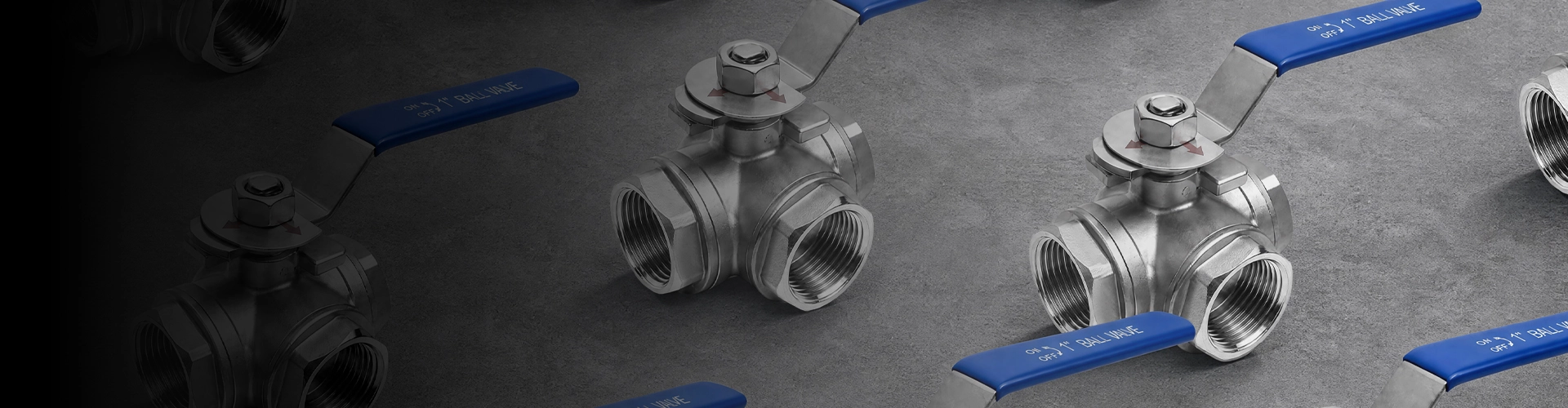
Three Way Ball Valves
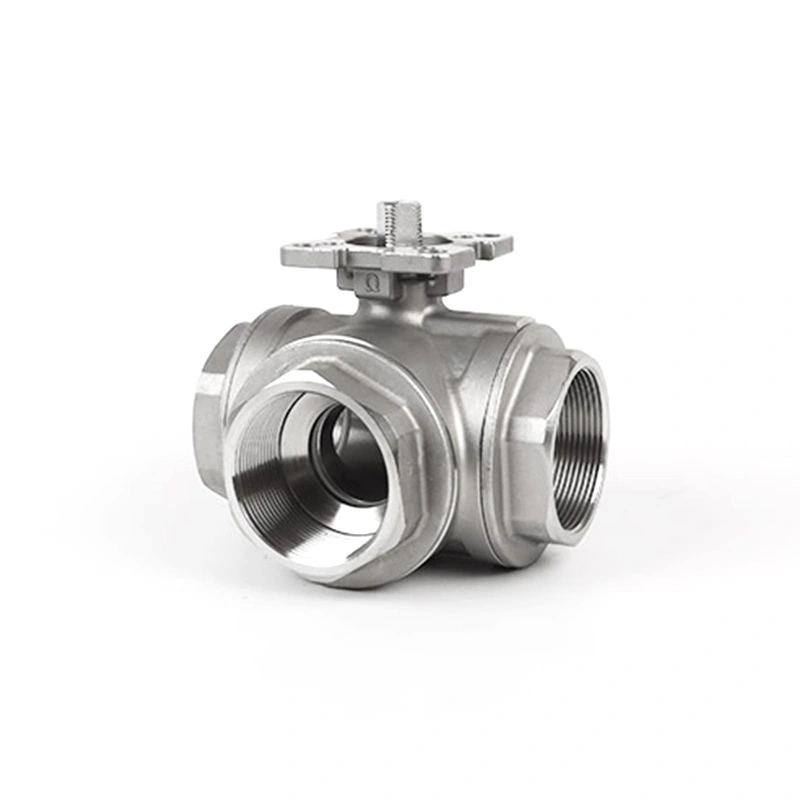
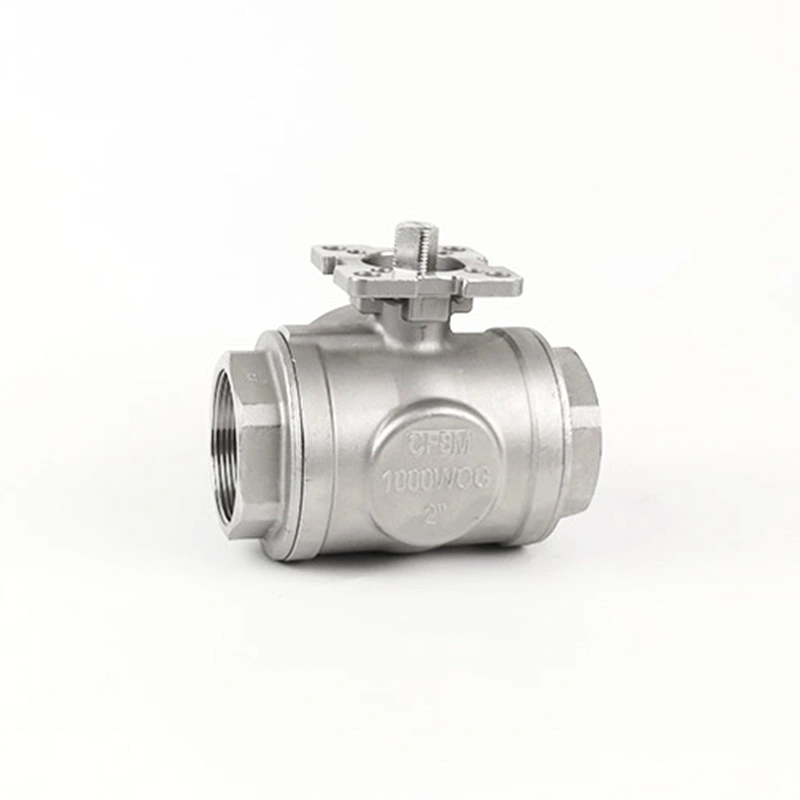
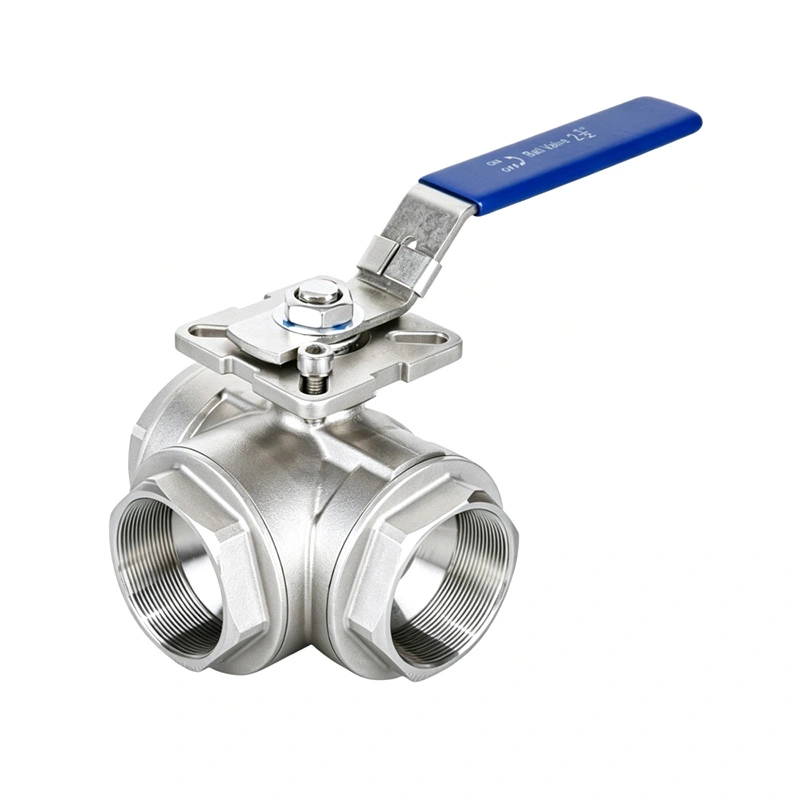
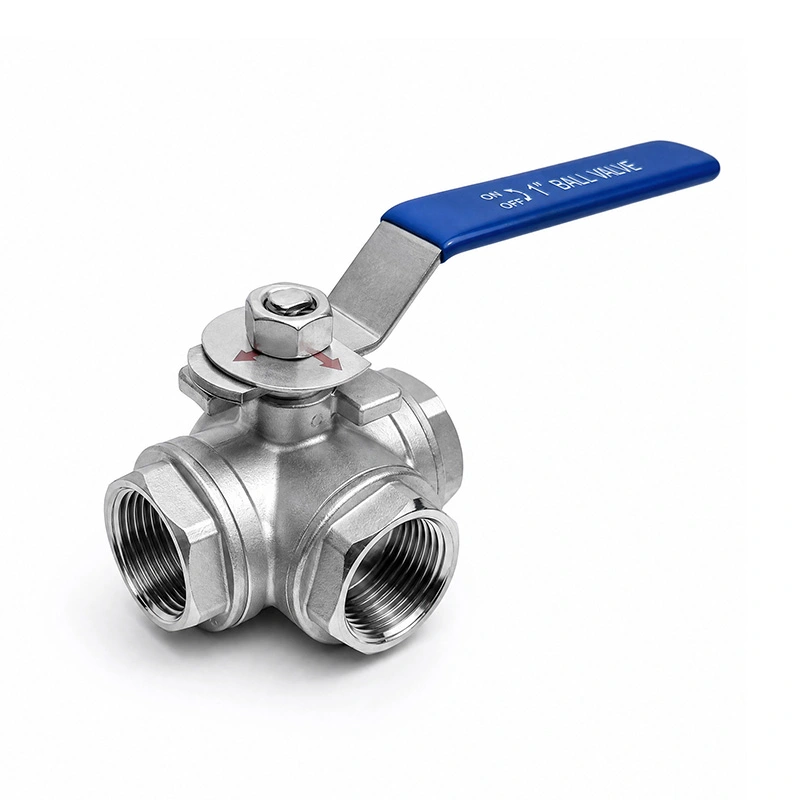
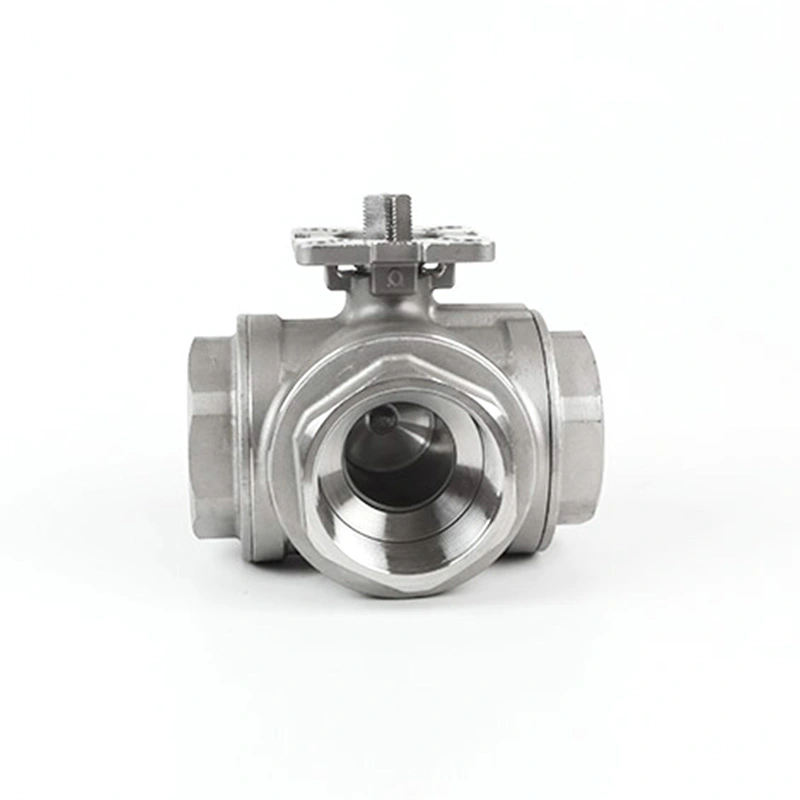
Three Way Ball Valve with ISO 5211 Direct Mounting Pad T Port
Shangtai Three Way Ball Valve with ISO 5211 Direct Mounting Pad T Port offers flexible flow mixing/diverting, precise threads, factory-direct pricing, ISO 9001/CE quality, and fast support from our Wenzhou valve factory.
The Shangtai Three Way Ball Valve with ISO 5211 Direct Mounting Pad T Port is built for flexible flow control in industrial pipeline systems. The T-port design supports mixing, diverting, and multi-direction flow distribution, while the ISO 5211 mounting pad makes actuator installation quick and stable.
As a source valve manufacturer in Wenzhou, China, Shangtai offers competitive factory-direct pricing, reliable production capacity, and strong recognition in the Chinese valve market. Our factory is only 10 minutes from the airport, making visits and inspections convenient.
Product Introduction
This T Port Three Way Ball Valve is suitable for applications where one valve needs to control multiple flow directions. Compared with standard two-way valves, it helps simplify piping layout, reduce installation space, and improve system control efficiency.
Main Dimensions
| Size | 1/2" - 4" |
| Pressure Class | CL150 |
| Thread Standard | NPT、BSP |
| Max Pressure | 285PSI |
| Design and manufacturing standards | ASME B16.34 |
| Testing and inspection | API598 |
| Pressure-Temperature Ratings | ASME B16.34 |
| Temperature Range | -25℃~150℃ |
| Body material | ASTM A351 CF8M(316) |
| Ball Material | ASTM A182 F316 |
| Stem Material | ASTM A182 F316 |
| Seat Material | RPTFE(PTFE+15%fv) |
| Options | Other materials are available upon request. |
Key advantages include:
T-port flow design for mixing, diverting, or distributing media
ISO 5211 direct mounting pad for pneumatic or electric actuator connection
No extra bracket required, helping reduce installation height and improve actuator alignment
Precision threaded ends for smooth assembly and secure pipe connection
Stable sealing performance for dependable daily operation
OEM/ODM support, backed by Shangtai's mold development capability
Product parameter drawings are available for size confirmation, project matching, and technical evaluation.
Quality Control Process
Shangtai follows a standardized inspection system covering IQC, IPQC, FQC, and OQC to keep quality under control from material to shipment.
IQC - Incoming Quality Control
Raw materials are checked before production. Material testing equipment supports on-site material verification.
IPQC - In-Process Quality Control
During machining and assembly, key dimensions, thread accuracy, surface finish, and ISO 5211 pad dimensions are inspected.
FQC - Final Quality Control
Finished valves are tested for appearance, operation, sealing performance, and pressure reliability according to order requirements.
OQC - Outgoing Quality Control
Before delivery, packaging, markings, quantity, and documents are checked to ensure the goods are ready for safe shipment.
FAQ
Q1: How does a T-port ball determine the flow direction?
The flow path is determined by the internal port arrangement and the rotational position of the ball. Before installation, the required connection between the three pipeline ports should be confirmed so that the valve handle or actuator position corresponds to the intended flow path.
Q2: Can a T-port valve be used for both mixing and diverting?
Yes, a T-port configuration can be used for different three-way flow arrangements. Whether it is suitable for mixing, diversion or distribution depends on the port geometry, pressure conditions and piping layout. The required flow pattern should be specified when ordering.
Q3: Does the actuator need to match the valve torque?
Yes. The actuator should provide sufficient torque for the valve under the actual operating conditions. Valve size, seat material, working pressure, medium and operating frequency should be considered when selecting a pneumatic or electric actuator.
Q4: What should be considered when selecting the valve seat?
The seat material should be selected according to the working medium, temperature, pressure and required sealing performance. Chemical compatibility is particularly important when the valve is used for aggressive or process fluids.
Q5: Can this type of valve be used on a skid or manifold?
Yes. A three-way configuration can be used on process skids, manifolds and compact piping assemblies where one valve needs to control flow between multiple branches. Available space, port orientation and actuator position should be considered during system design.
Q6: What happens if the pipeline pressure is different between the three ports?
Different pressure conditions can affect flow direction, flow rate and the force required to operate the valve. The valve configuration should therefore be selected according to the actual pressure conditions at each connected port rather than based only on nominal pipe size.
Q7: What is a Three Way Ball Valve with ISO 5211 Direct Mounting Pad T Port?
A Three Way Ball Valve with ISO 5211 Direct Mounting Pad T Port is a three-way valve combining a T-port ball configuration with an ISO 5211 actuator mounting interface. It is intended for systems requiring controlled flow between three pipeline connections and can be configured for manual or automated operation.
Send Inquiry
Contact Info
-
Address
JINHAI 3RD ROAD, YONGXING SUB-DISTRICT, LONGWAN DISTRICT, WENZHOU CITY, ZHEJIANG PROVINCE, CHINA
-
Tel
-
Email
Contact our team with product specifications, working conditions, connection standards, pressure requirements, or drawings. We provide valve recommendations, customization options, pricing, and technical support according to your project needs.
News Recommendations