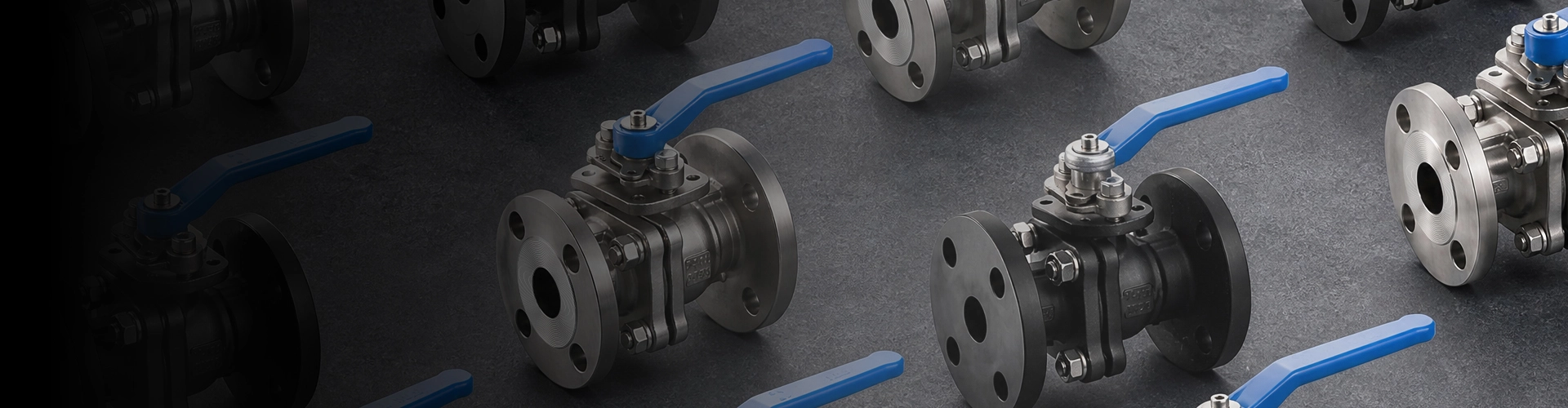
Flange Ball Valves
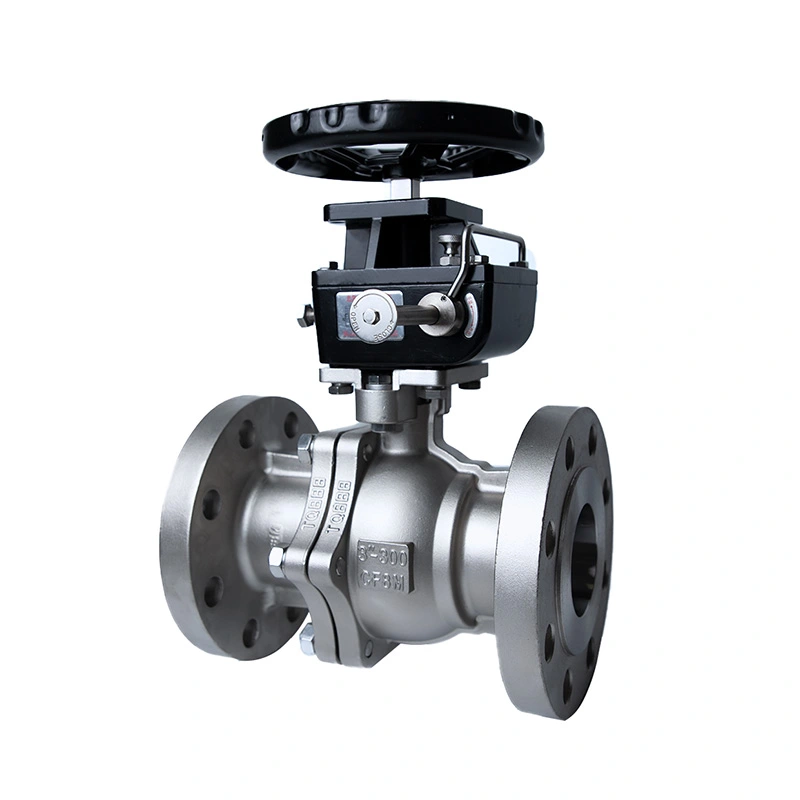
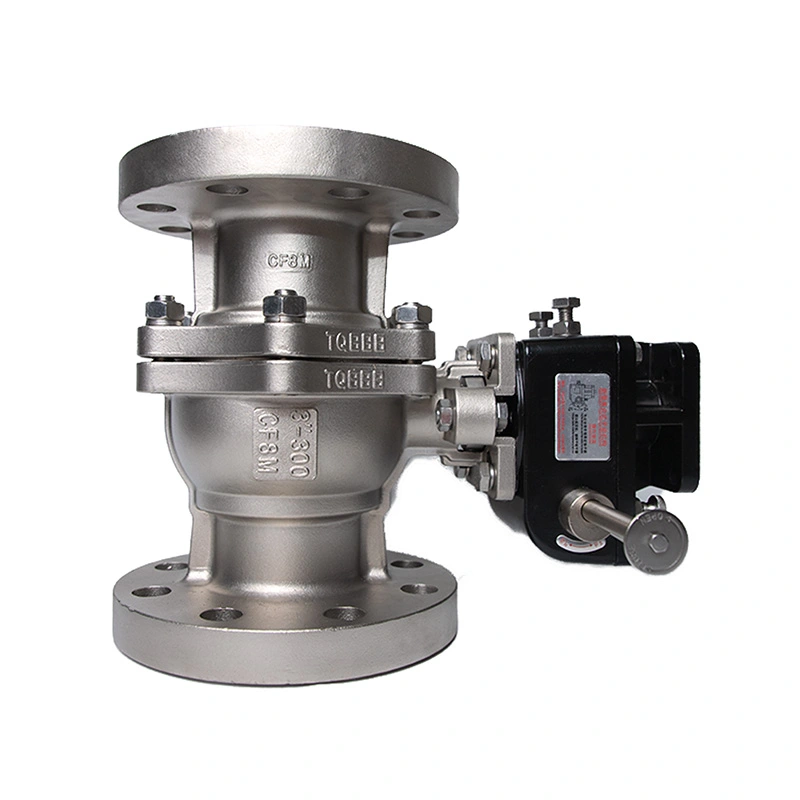
ANSI 300LB Flanged Ball Valve with ISO 5211 Base for Actuator
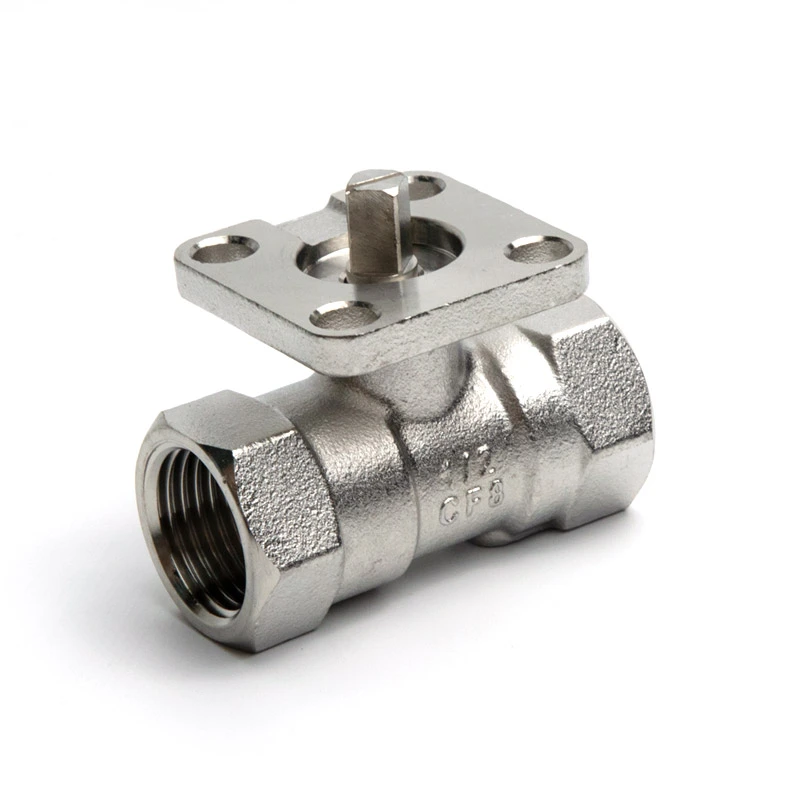
Shangtai ANSI 300LB Flanged Ball Valve with ISO 5211 Base for Actuator is designed for industrial pipeline shut-off and automated fluid control. The Class 300 flanged connection provides a bolted pipeline interface, while the ISO 5211 mounting base allows compatible pneumatic or electric actuators to be installed according to the required valve torque and operating conditions.
The ANSI 300LB Flanged Ball Valve with ISO 5211 Base for Actuator is configured for industrial pipeline isolation where a Class 300 flanged valve and actuator-ready operation are required. Its stainless steel pressure-boundary and internal components are specified for the listed pressure and temperature range, while the valve configuration can be matched with manual, pneumatic, or electric operation according to the application.
Shangtai manufactures industrial ball valves in Wenzhou, Zhejiang, China, with machining, assembly, pressure testing, inspection, and final preparation carried out according to the applicable product requirements. For project orders, valve dimensions, material configurations, actuator requirements, drawings, and technical documentation can be confirmed before production.
Main Dimensions
| Size | 1-1/2" - 8" |
| Pressure Class | CL300 |
| End Connections | Flange |
| Max Pressure | 740PSI |
| Design and manufacturing standards | ASME B16.34 |
| Testing and inspection | API598 |
| Flange dimensions and bolt hole details | ASME B16.50 |
| Pressure-Temperature Ratings | ASME B16.34 |
| Connection Ends | RF Flanged |
| Temperature Range | -25℃~150℃ |
| Body material | ASTM A351 CF8M(316) |
| Ball Material | ASTM A182 F316 |
| Stem Material | ASTM A182 F316 |
| Seat Material | RPTFE(PTFE+15%fv) |
| Options | Other materials are available upon request. |
Valve Construction and Material Selection
The valve uses a stainless steel body with ASTM A351 CF8M (316) construction, while the ball and stem are specified as ASTM A182 F316. These materials provide a consistent stainless steel configuration for the pressure boundary and main wetted components. The RPTFE seat, consisting of PTFE with 15% filler, is selected for the stated operating range and should be confirmed against the actual process medium and temperature before ordering.
Stainless Steel Body
The ASTM A351 CF8M (316) body forms the main pressure-containing structure of the valve. Stainless steel construction can be considered for industrial media where material compatibility and corrosion resistance are important selection factors.
316 Ball and Stem
The ball and stem use ASTM A182 F316 material according to the listed configuration. The ball provides the quarter-turn flow-control element, while the stem transfers the operating torque from the handle or actuator to the ball.
RPTFE Seat
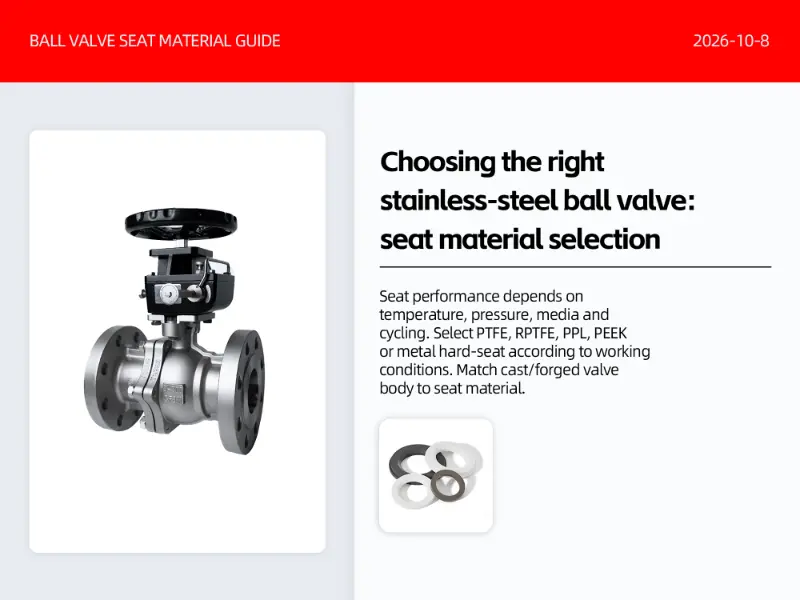
The RPTFE seat provides the sealing interface around the ball. Seat selection should be checked against the medium, operating temperature, pressure, and required service conditions because valve seat compatibility can vary between different process fluids.
Class 300 Flanged Ball Valve Configuration
The Class 300 configuration is intended for piping systems requiring a higher pressure class than Class 150. The listed maximum pressure is 740PSI, but the allowable working pressure should not be determined from the nominal class alone. Actual pressure capability depends on valve size, material, temperature, and the applicable pressure-temperature rating.
The RF flanged ends provide a bolted connection to matching pipeline flanges. During selection, the nominal pipe size, flange dimensions, pressure class, facing type, gasket arrangement, bolt specification, and available installation space should all be checked against the piping system.
ISO 5211 Actuator Mounting
The ANSI 300LB Flanged Ball Valve with ISO 5211 Base for Actuator can be configured for automated operation through its ISO 5211 mounting interface. The actuator should be selected according to the valve operating torque and actual service conditions rather than by valve size alone.
Pneumatic and electric actuators can be considered for automated on/off control. Depending on the control system, additional components such as solenoid valves, limit switches, position feedback devices, or positioners may be required. The available mounting interface, actuator torque, rotation angle, power or air supply, and control signal should be confirmed before assembly.
Manual Operation
Manual operation can be used where the valve is operated locally and automatic control is not required. The operating method should be selected according to valve size, installation position, operating frequency, and required operating torque.
Pneumatic Actuation
Pneumatic actuation is suitable for systems where compressed air is available and rapid quarter-turn operation is required. Actuator torque should include an appropriate allowance for the valve's operating conditions and seat friction.
Electric Actuation
Electric actuation can be used when the valve needs to be integrated into an electrical control system. Voltage, duty cycle, torque, travel limits, feedback requirements, and environmental conditions should be confirmed during actuator selection.
Production Process
1. Technical Confirmation
Before production, the required valve size, Class 300 rating, body and trim materials, working medium, temperature, seat configuration, connection dimensions, operating method, and actuator requirements are reviewed. Drawings and technical specifications can be checked when the valve is part of a larger piping or automation project.
2. Material Preparation and Inspection
Incoming materials and purchased components are checked according to the applicable production and inspection requirements. Material identification, dimensions, surface condition, and supporting material documentation can be reviewed for orders requiring traceability.
3. CNC Machining
CNC machining is used for valve body interfaces, flange surfaces, ball and stem components, sealing areas, bolt holes, and other precision features. Dimensional control is important for maintaining proper alignment between the valve body, pipeline connection, and operating components.
4. Component Preparation
Valve balls, sealing surfaces, stems, seats, packing, gaskets, fasteners, and other components are prepared before assembly. Surface finishing and cleaning requirements depend on the material and intended application.
5. Assembly and In-Process Inspection
Internal components are assembled according to the specified configuration. Checks can include stem alignment, ball movement, sealing component installation, flange dimensions, body assembly, and actuator mounting interface dimensions.
6. Pressure and Functional Testing
Finished valves are subjected to applicable shell pressure and seat leakage tests. Operating function, torque-related conditions, appearance, marking, and other specified inspection items are also checked before release.
7. Final Inspection and Packaging
Final inspection covers product identification, required documents, valve condition, protective covers, accessories, and packaging. Flange faces and other exposed connection surfaces should be protected during transportation to reduce the risk of handling damage.
Typical Applications
Water Treatment and Utility Piping
Used for isolation in water treatment equipment, utility pipelines, pumping systems, and related industrial water applications when the selected materials are compatible with the service medium.
Oil and Gas Systems
Applicable to pipeline isolation and equipment connections in oil and gas systems where the pressure class, material specification, seat configuration, and applicable standards meet the project requirements.
Chemical Processing
Can be specified for compatible chemical process media. Material selection should consider the chemical composition, concentration, temperature, pressure, and potential effects on the body, ball, stem, and seat.
Power and Industrial Process Systems
The flanged connection and Class 300 configuration make this valve suitable for selected industrial process, utility, and power-system piping where bolted pipeline connections and quarter-turn isolation are required.
Selection and Installation Considerations
Selecting the valve should begin with the actual operating conditions rather than the nominal pipe size alone. The following information should be confirmed before ordering:
Medium: Identify the fluid and check its compatibility with the body, ball, stem, seat, packing, and gasket materials.
Pressure and Temperature: Confirm normal and maximum operating pressure, temperature range, pressure fluctuations, and applicable pressure-temperature ratings.
Flange Connection: Match the valve flange size, Class 300 rating, RF facing, bolt-hole arrangement, gasket type, and pipeline flange dimensions.
Flow and Port Configuration: Confirm whether full-port or reduced-port construction is required based on flow capacity, pressure drop, and piping requirements.
Actuator: For automated valves, provide the required operating torque, actuator type, power or air supply, control signal, and feedback requirements.
Installation: Pipeline flanges should be correctly aligned before bolting. The valve should not be forced into position to compensate for pipe misalignment, and the valve should remain within its specified pressure and temperature limits during operation.
Testing and Documentation
Valve inspection can include shell pressure testing, seat leakage testing, dimensional inspection, operating checks, visual inspection, and marking verification according to the applicable order requirements. API 598 is specified for testing and inspection of this valve.
Technical documentation can be provided according to the product configuration and project requirements. Available documents may include product datasheets, dimensional drawings, material information, inspection records, and applicable test documentation.
FAQ
Q1: What is an ANSI 300LB Flanged Ball Valve with ISO 5211 Base for Actuator used for?
The ANSI 300LB Flanged Ball Valve with ISO 5211 Base for Actuator is used for industrial pipeline isolation and automated on/off fluid control. It is suitable for compatible water, oil, gas, chemical, utility, and industrial process applications within the specified pressure, temperature, and material limits.
Q2: Does Class 300 mean the valve can always operate at 300 psi?
No. Class 300 is a pressure class designation rather than a fixed pressure value in psi. The allowable working pressure varies with valve material, size, operating temperature, and the applicable pressure-temperature rating.
Q3: How should the actuator be selected?
The actuator should be selected according to the valve's required operating torque, service conditions, operating frequency, and control requirements. For pneumatic or electric actuation, the mounting interface and actuator specifications should also be checked before assembly.
Q4: What seat material is supplied with this valve?
The listed configuration uses RPTFE (PTFE+15%fv) as the seat material. Other seat or sealing configurations may be considered when different media or temperature conditions require a different material.
Q5: Can the valve be supplied with a pneumatic or electric actuator?
Yes. The valve can be configured for manual operation or supplied with compatible pneumatic or electric actuation. Actuator selection should be confirmed according to valve size, operating torque, control method, and installation requirements.
Q6: What information should be provided when requesting a quotation?
Useful information includes valve size, pressure class, medium, operating pressure, temperature, body material, seat material, flange requirements, operating method, actuator specifications, quantity, and any required drawings or technical standards.
Q7: Can technical drawings and material documents be provided?
Yes. Product drawings, dimensional information, material details, inspection records, and other applicable technical documents can be provided according to the valve configuration and project requirements.
Send Inquiry
Contact Info
-
Address
JINHAI 3RD ROAD, YONGXING SUB-DISTRICT, LONGWAN DISTRICT, WENZHOU CITY, ZHEJIANG PROVINCE, CHINA
-
Tel
-
Email
Contact our team with product specifications, working conditions, connection standards, pressure requirements, or drawings. We provide valve recommendations, customization options, pricing, and technical support according to your project needs.
News Recommendations